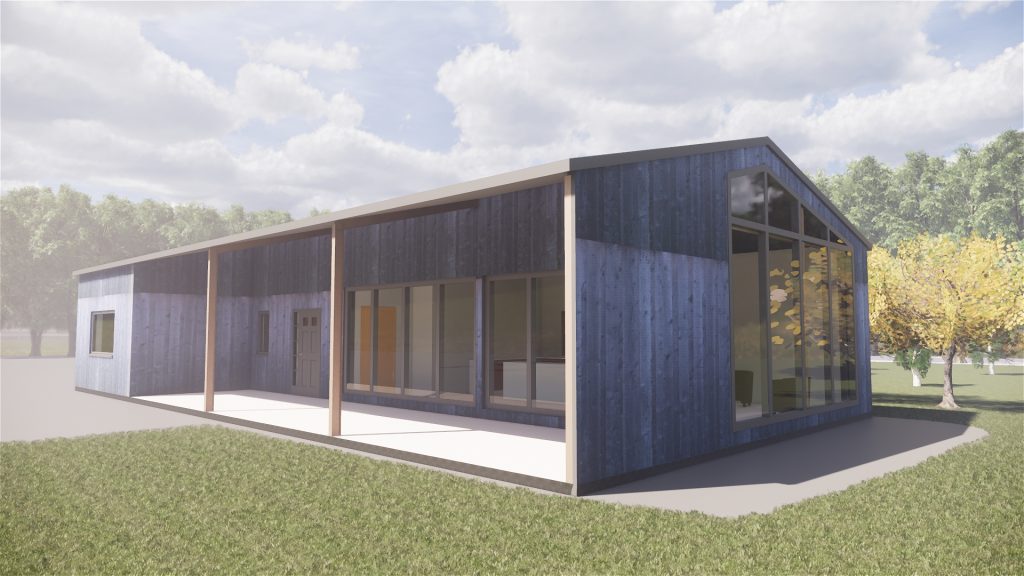
We have recently gained Class Q approval for the proposed conversion of two barns at a site near Cullompton to residential use. What makes this ruling a particularly good victory is that the two barns’ status as agricultural buildings was up for debate and how these can be converted retaining the structure and cladding in place.

The challenges when submitting a Class Q application is to convincingly demonstrate how the building can be converted and that the use of the building in question is primarily agricultural. Class Q legislation then hold out the possibility for it to be converted to a dwelling.

The proposals

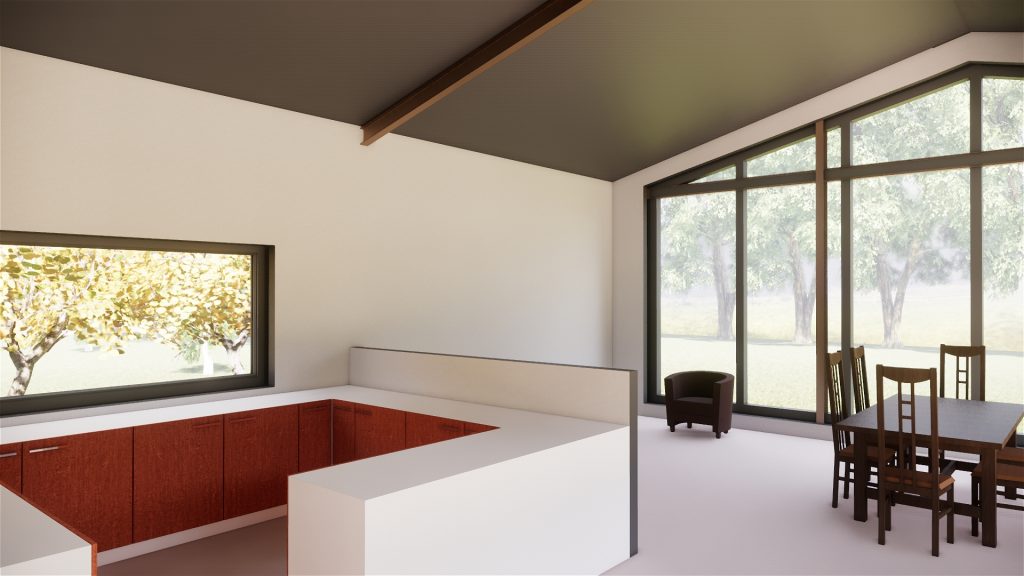
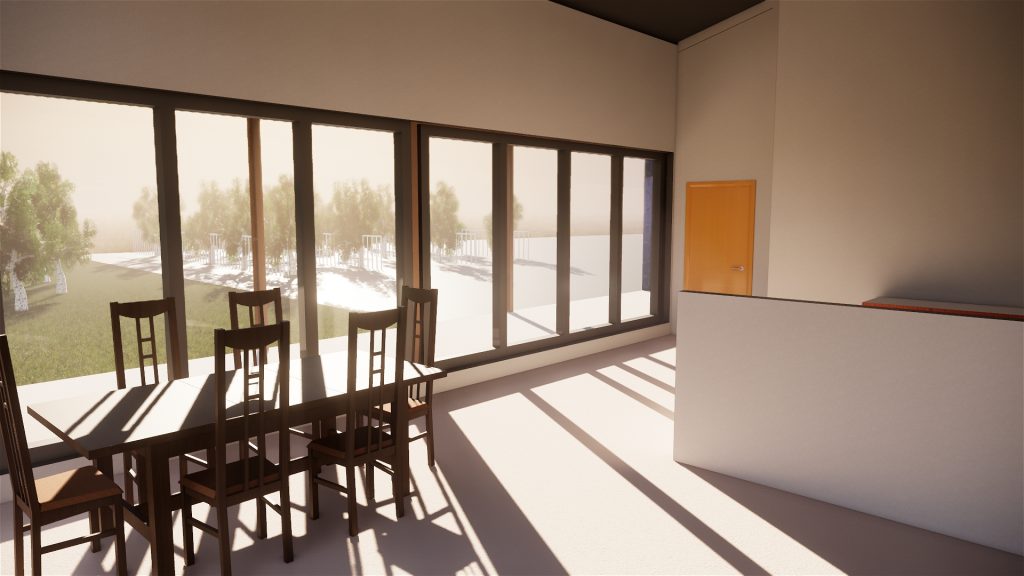
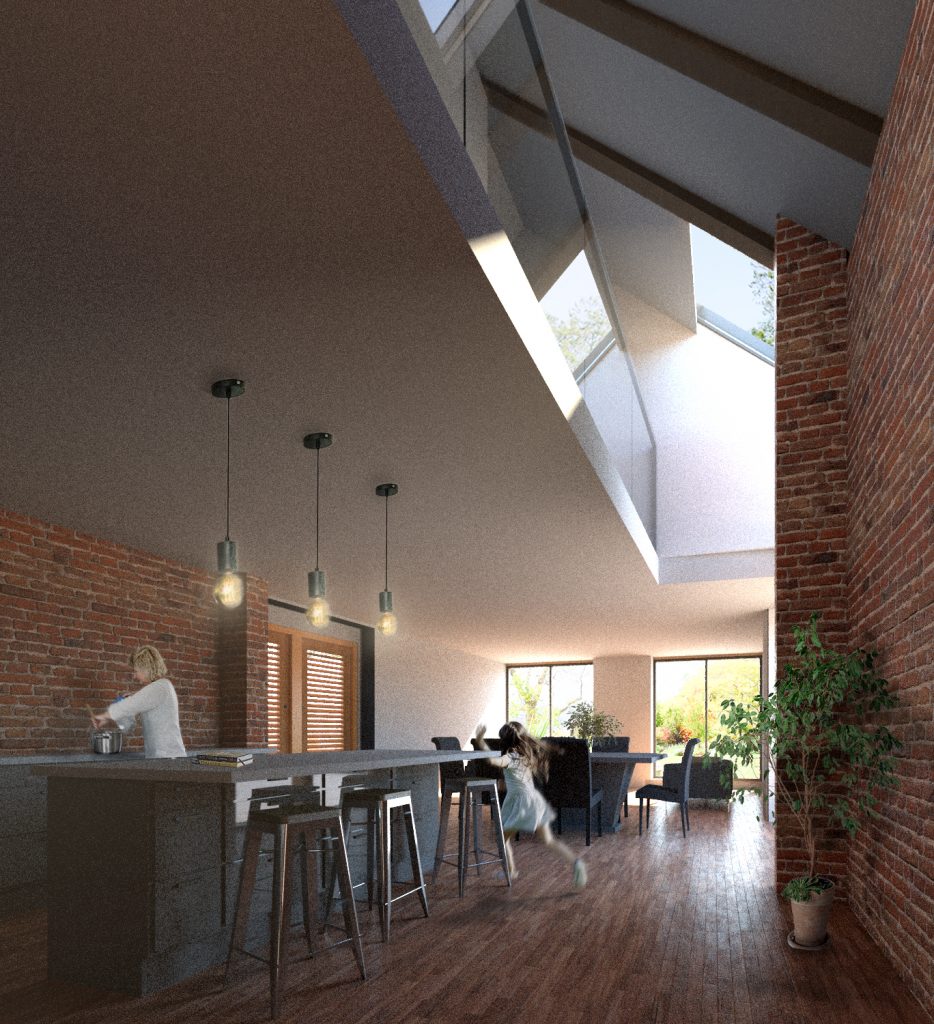
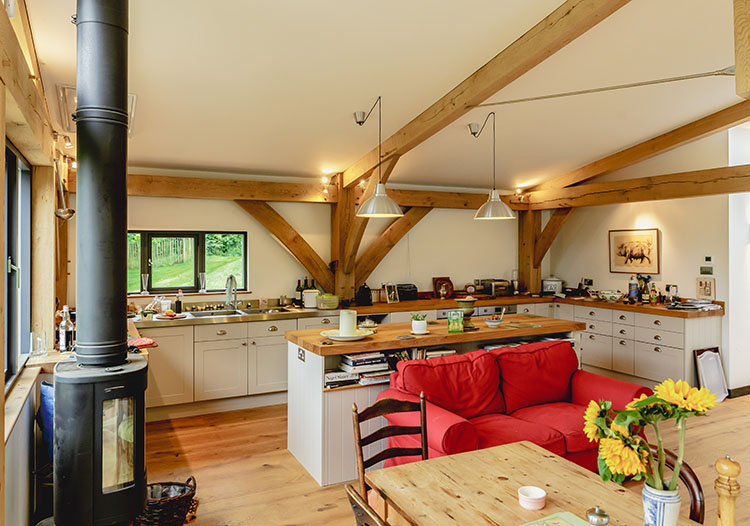
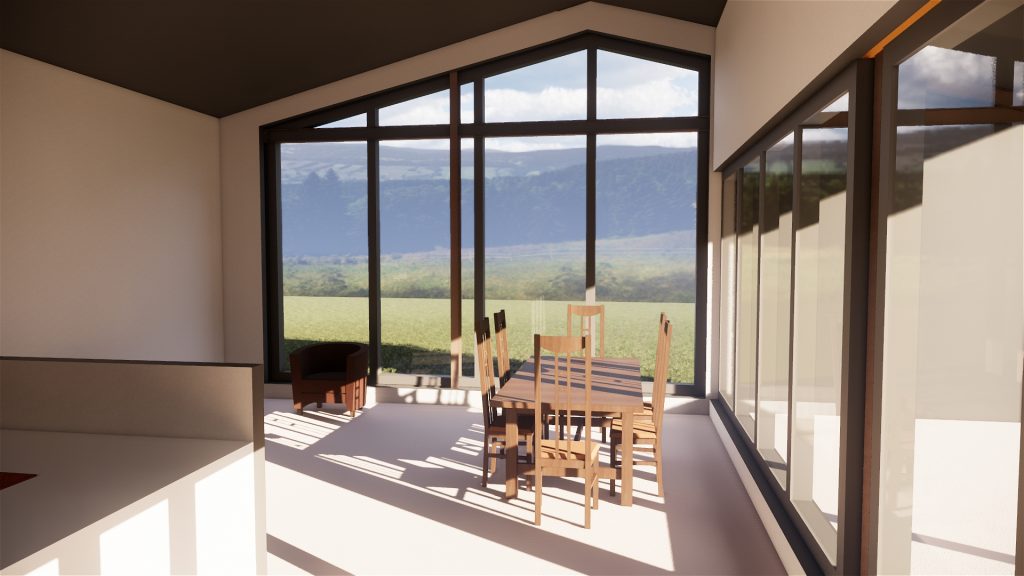
We are delighted that the local authority have deemed the conversion as a means of conserving the design and external appearance of the building. The bigger barn will form a spacious three-bedroomed residence, and features a covered reception area on its west elevation, as pictured above. An open-plan kitchen and dining area allow for a bright and light main living space with lots of glass, which allows for a sense of flow with the surrounding countryside. The benefits of creating your dream home in a former barn are perfectly illustrated here with this beautiful setting, large site and a shell in which to a characterful and unique place to live can be constructed.

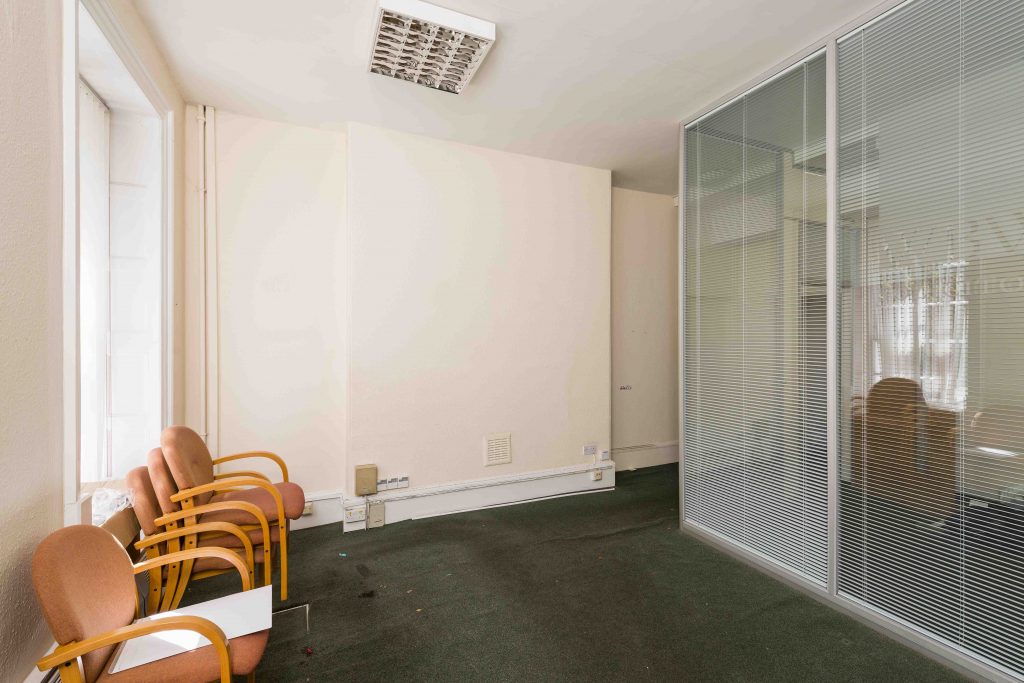
The second barn is not quite as big, and has been used mainly as an office to serve the horticultural business. It is by no means outdone by its neighbour, and has an en-suite bedroom and large dressing room. The front door opens on to a lobby from which you move through into the combined kitchen and living room.

We are looking forward to these new homes being built – stay tuned to see their progress!

We love being involved in local projects – especially when they’re on our doorstep. Over the past month the LSA team have been working hard on a new development here at Southernhay West. One of the wonderful Georgian style Grade II* Listed townhouse is having a revamp and we couldn’t be more excited to get this beautiful building up and running again.

By January 2020, Number Nine will have five floors of luxury office space with full infrastructure for 21st century businesses to work from.

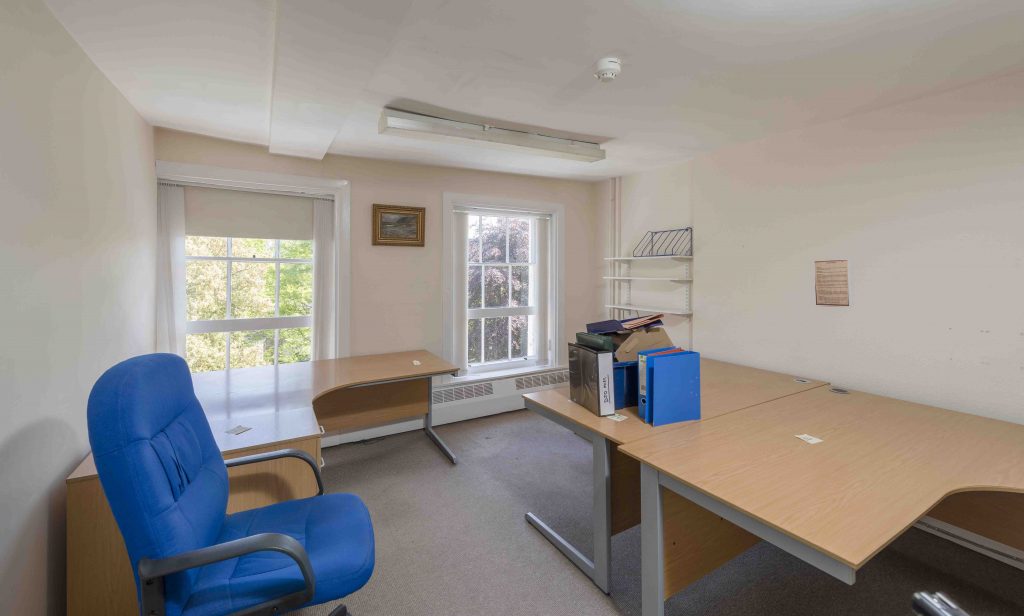
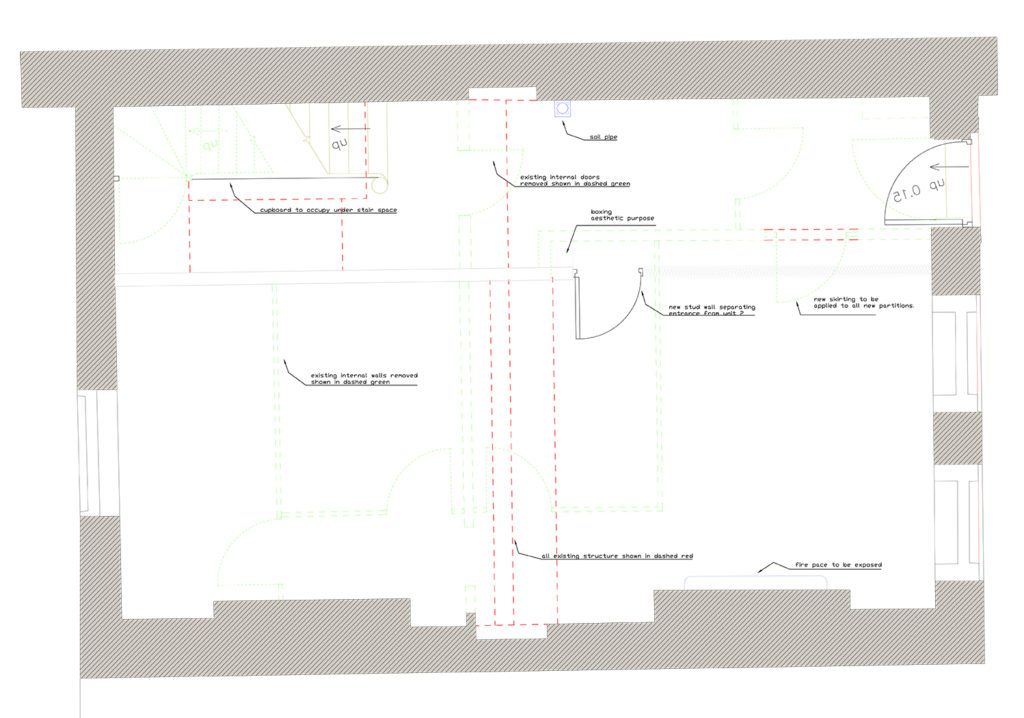
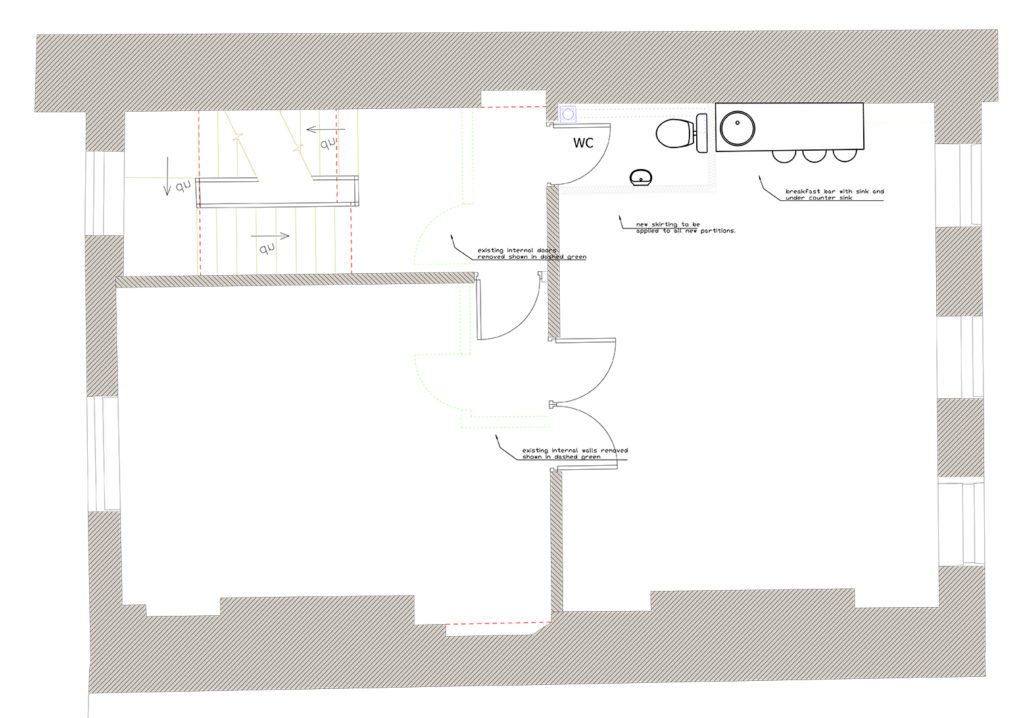
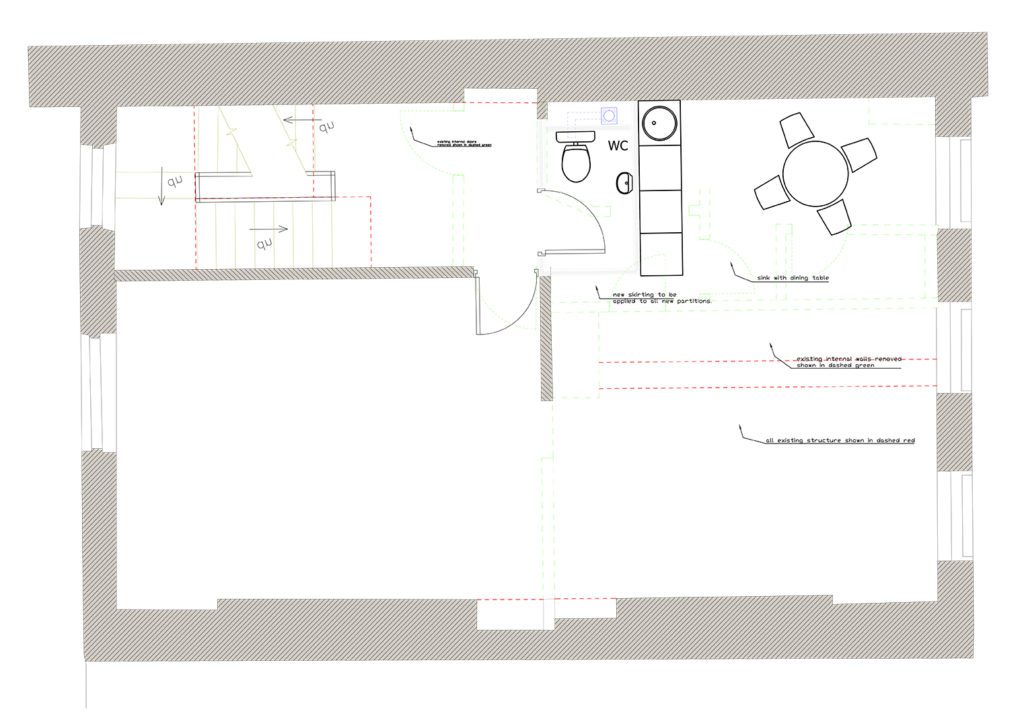
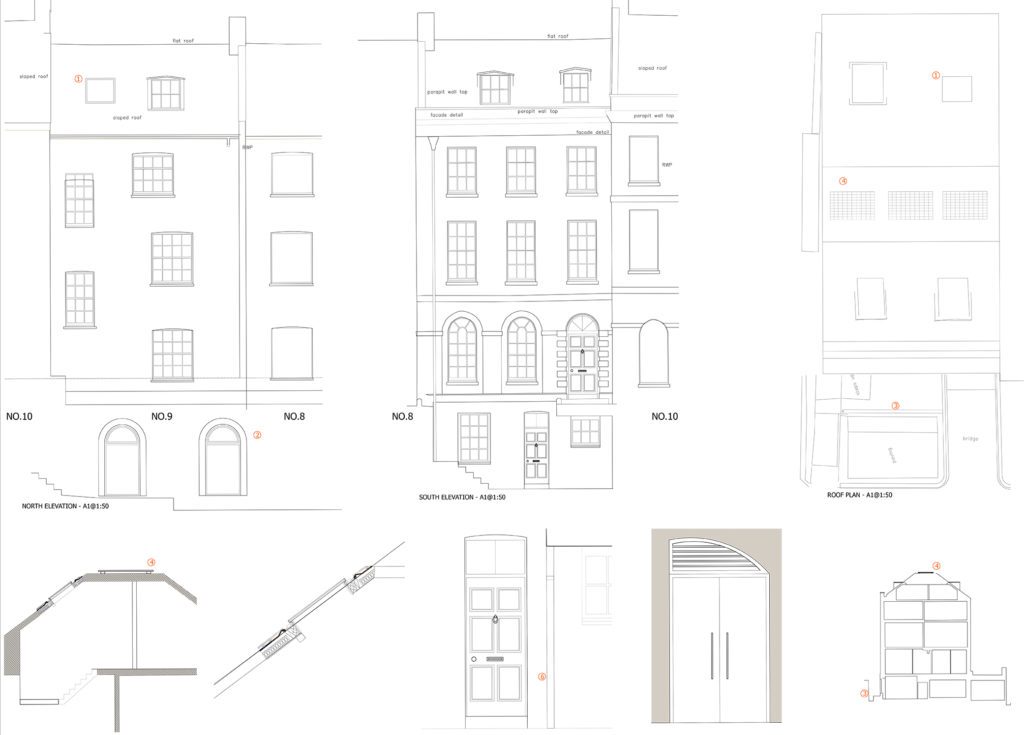
Externally this project contains a great deal of heritage, although sadly like many of the buildings on Southernhay it has lost a lot of its historic detail internally. Throughout our design work here at LSA we were sensitive to this, adding back period doors and details where possible. The internal building work is underway and the site team are doing a sterling job. Below shows the current state of the building. Working closely with our clients, who also own the stunning Southernhay House hotel, we are creating an exciting new scheme for the interiors with high quality materials and fittings. We have also submitted a Listed Buildings application for some improvements to the exterior.

The refurbishment aims bring the spaces up to date. With brighter, well designed, high quality spaces the client hopes to entice businesses with the opportunity to work from this unique building.

Look out for the progress pictures!

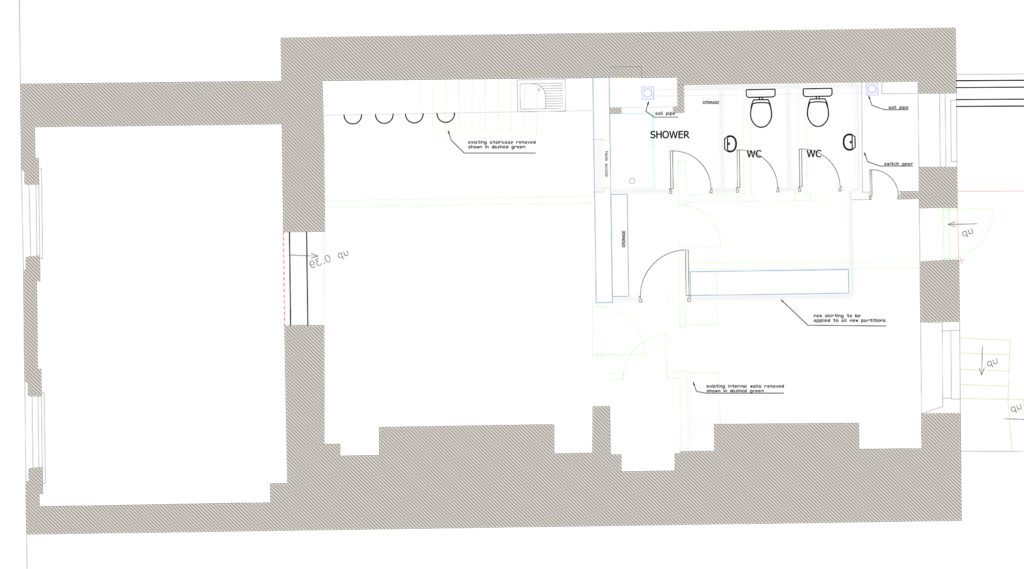
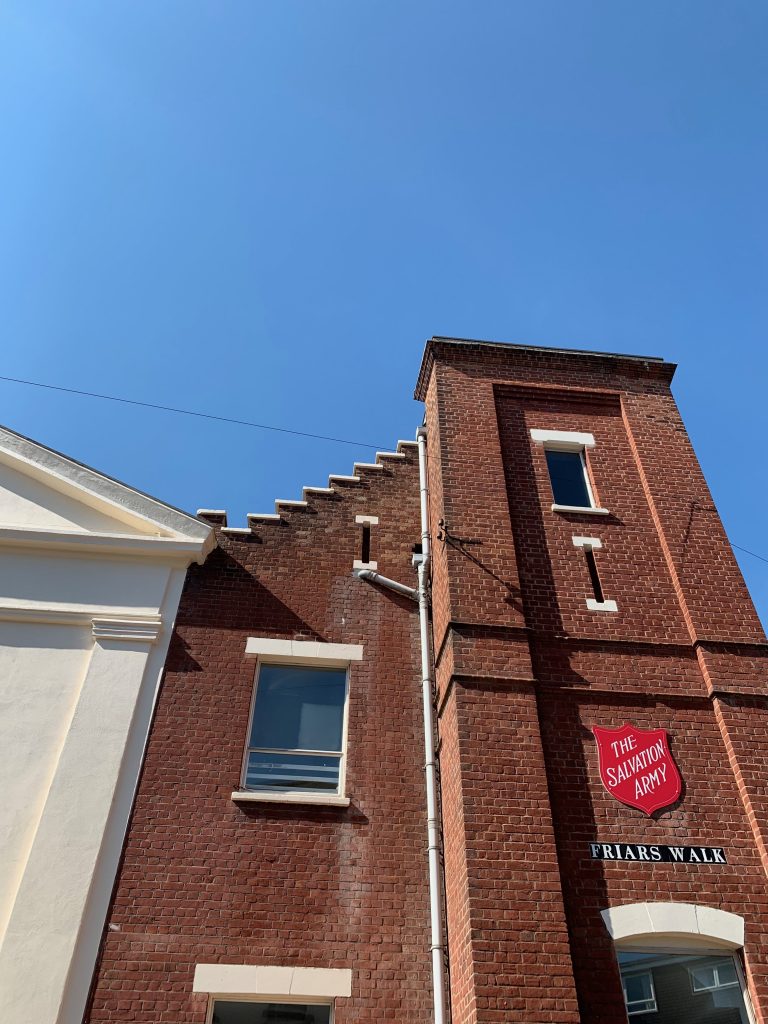
Since our last post on the Salvation Army, the project has made great progress and exciting things have been happening. We are eager to share the next stage of our work, as the team here at LSA have been working hard with their design caps on. From exterior to interior, the design process is now well underway for the redesign of Friars’ Walk.

In our previous post, we highlighted the importance of the building’s history and how the Salvation Army has had a great impact on our society here in Exeter. Friars’ Walk is home to a thriving community, and we believe that the people at Salvation Army are taking the right steps towards the future of this building.

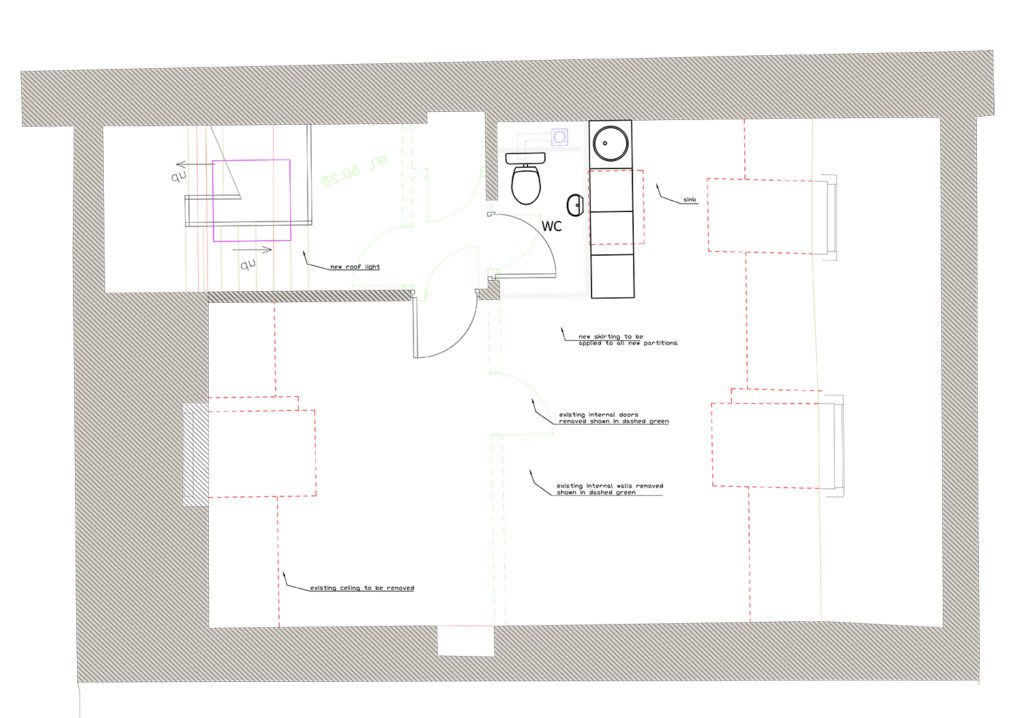
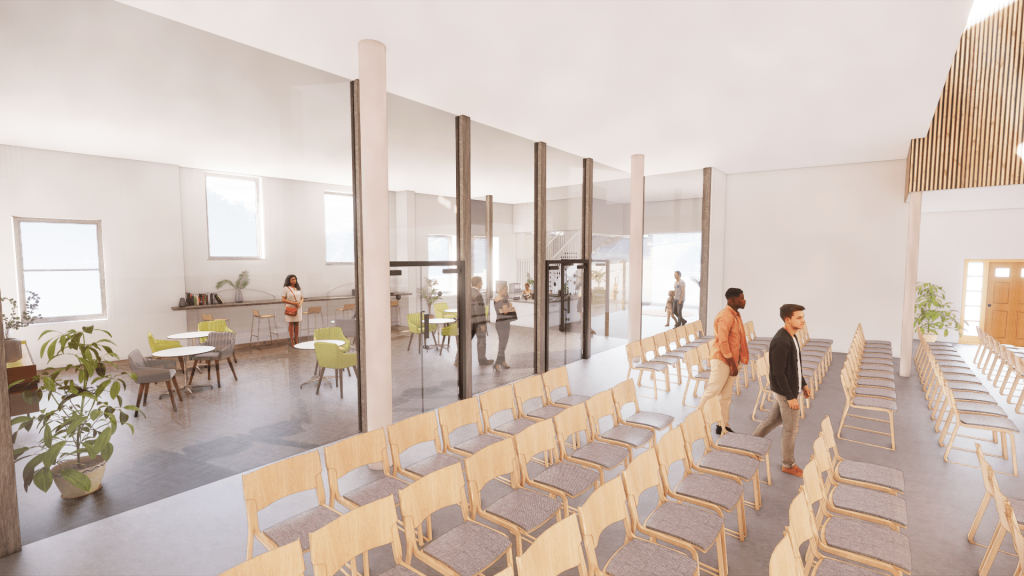
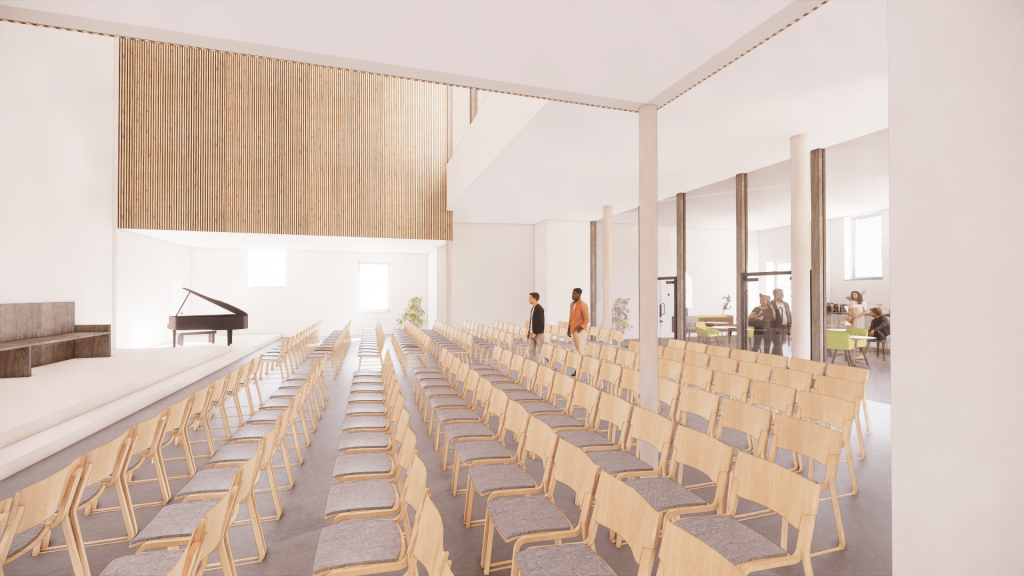
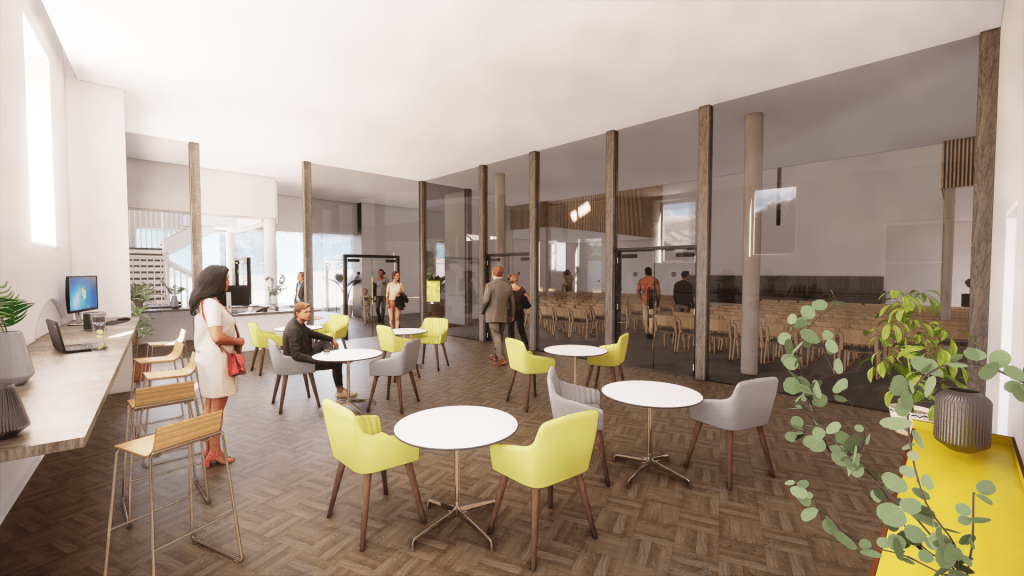
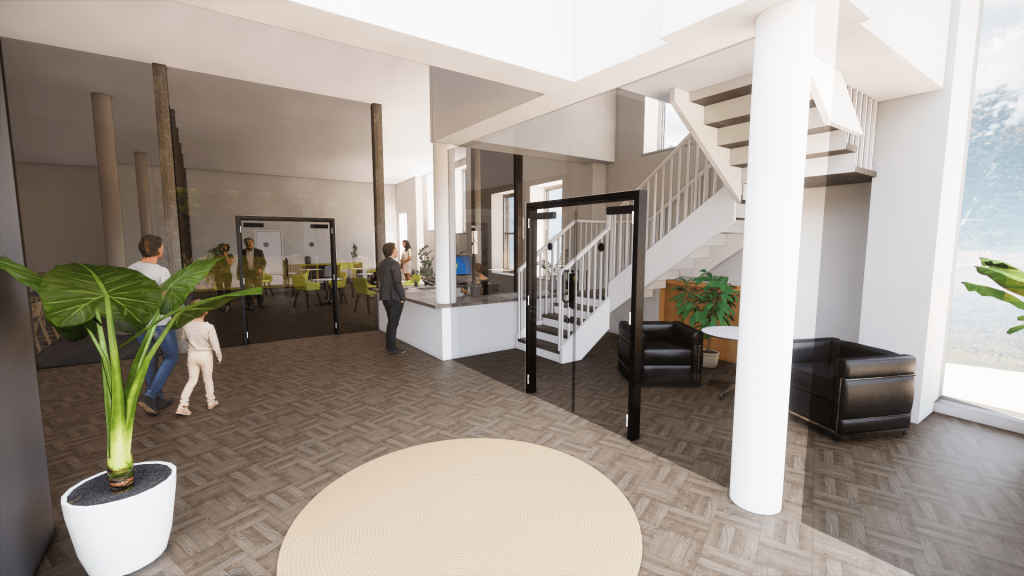
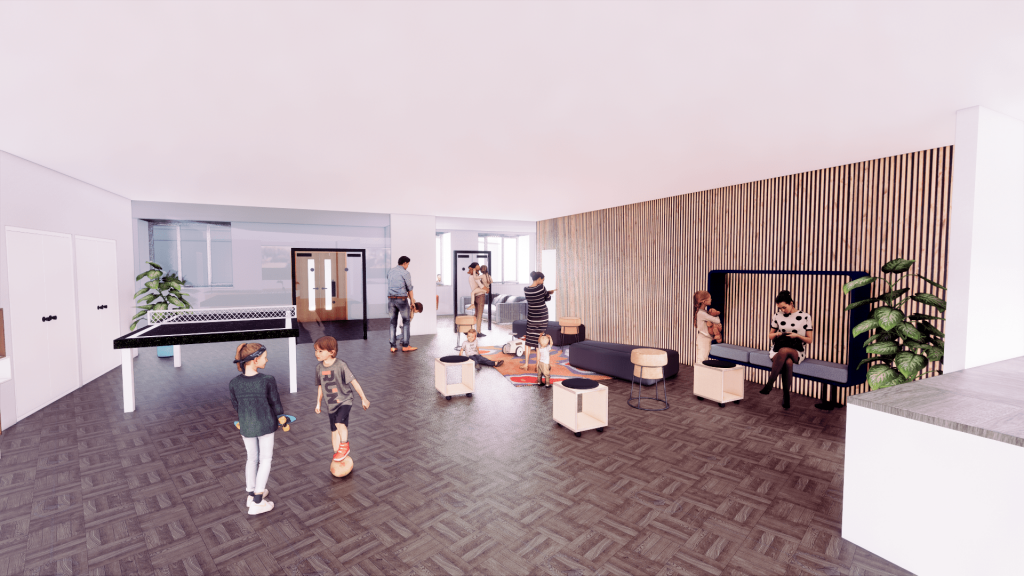
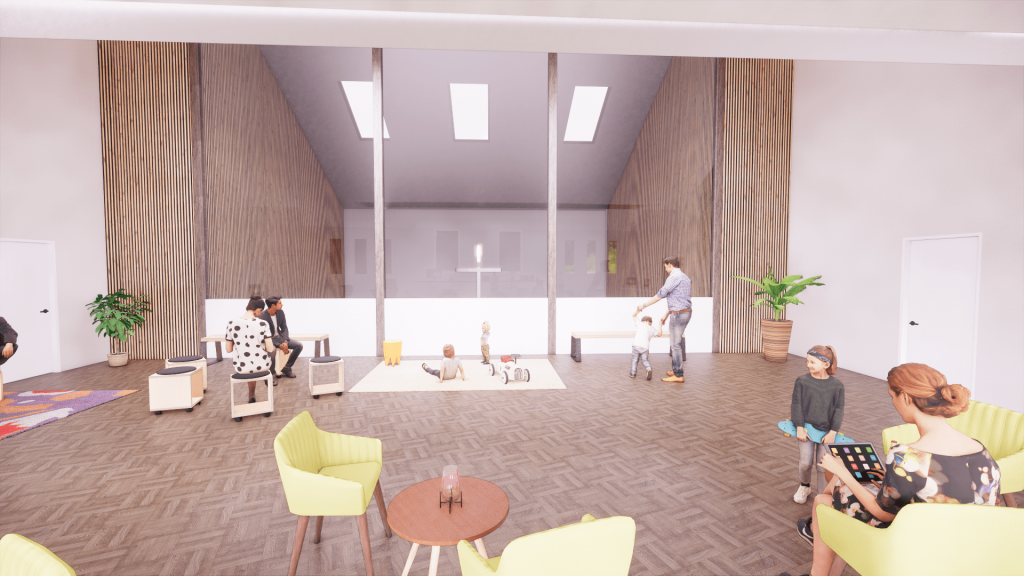
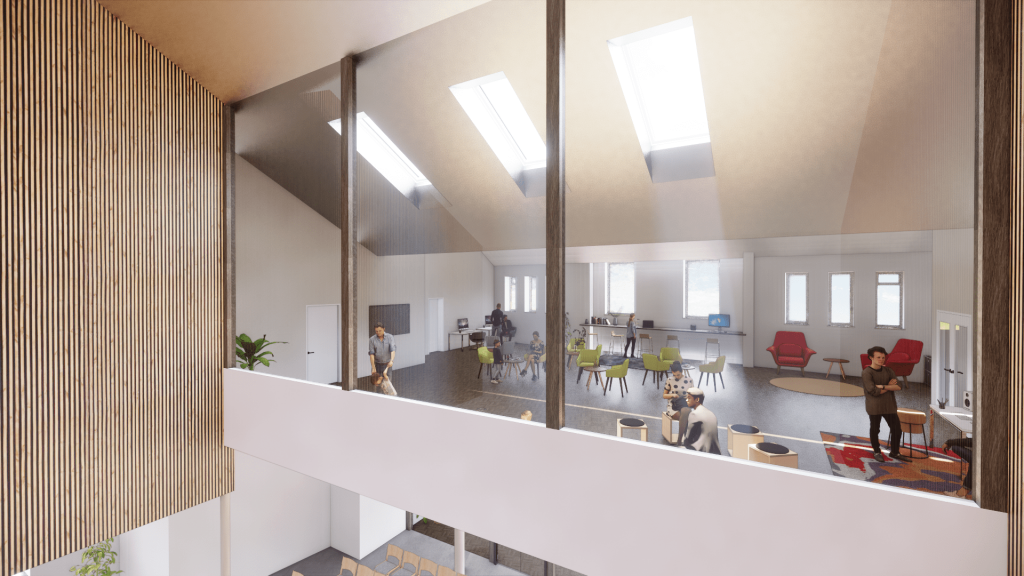
We knew from the outset that the interior spaces required a high-quality design strategy, and we intended each space to bring something new and different to the renovation of this building. This raised a range of considerations, from the function of each space down to the quality of finishes used. The style of design had to be sympathetic to the building’s past, but also needed to enhance and be conducive to modern life. The renovation is partly intended to act as a means of attracting people to use the building, and better appreciate all it has to offer. Opening up the interior spaces allows the building to be versatile, in keeping with its use as a site of varied activities. Below are some of our initial 3D views of the new interior spaces:

Chapel Space looking back on to Entrance Cafe
Chapel Space
Entrance Cafe
New Entrance Area
Basement Area
First Floor Area

First Floor area from double height space

The future is looking bright for Friars’ Walk. We feel privileged to be working with the Salvation Army, and hope that we can offer them something special which will keep their community thriving. This is only the start – so stay on the lookout for updates on what unfolds next!

The team have had a great couple of weeks. They have been kept very busy with lot’s of work in the pipeline!

Contemporary Barn Conversion in West Hill

We have been working on creating some fantastic images for a contemporary barn conversion in West Hill. In the image you can see we are trying to create a more open plan space, experimenting with different ways we can allow natural light into the space.

Kirsty applies for her Conservation Architect Status through RIBA!

Kirsty has been working extremely hard to apply for her official Conservation Architect status through RIBA.

Receiving “Conservation Architect” status means that RIBA accredits her to have an in- depth knowledge and experience of working with historic buildings.

Within this application Kirsty is submitting 4 papers reflecting the range of work areas a conservation architect undertakes, in which, she has used examples of some of her incredible work.

One of the projects Kirsty has written about is the extensive refurbishment and alteration project of what was originally a medieval hall longhouse in Dartmoor. The refurbishment and extension of the property won the Conservation Award in 2017 from The Devon Historic Buildings Trust!

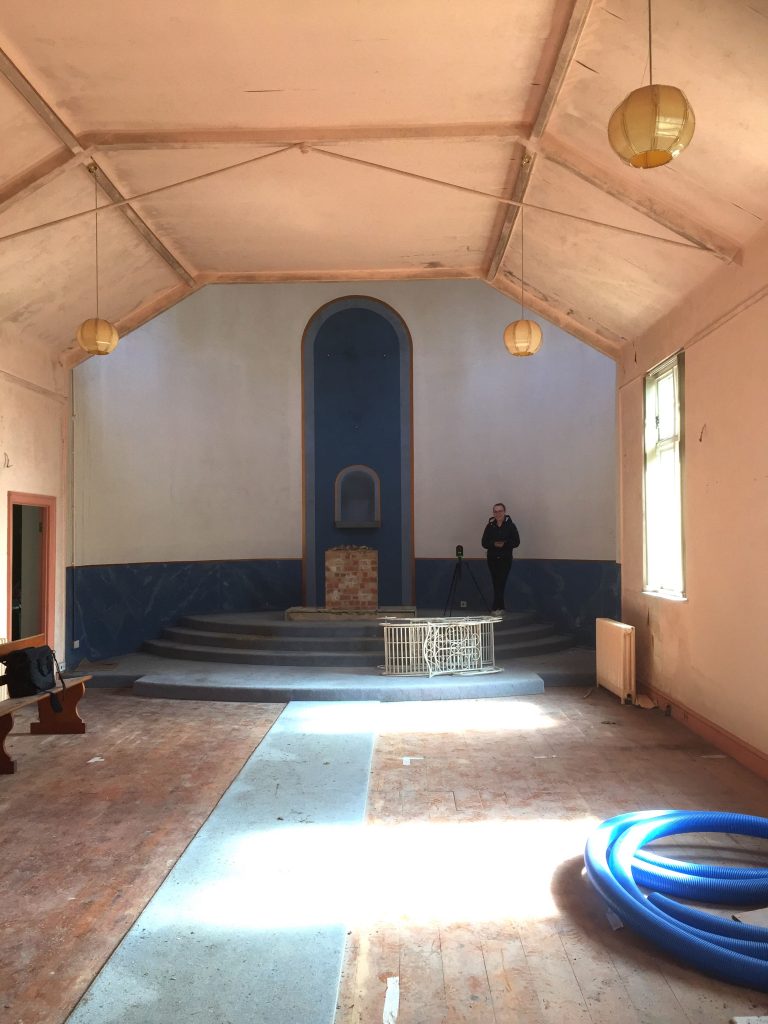
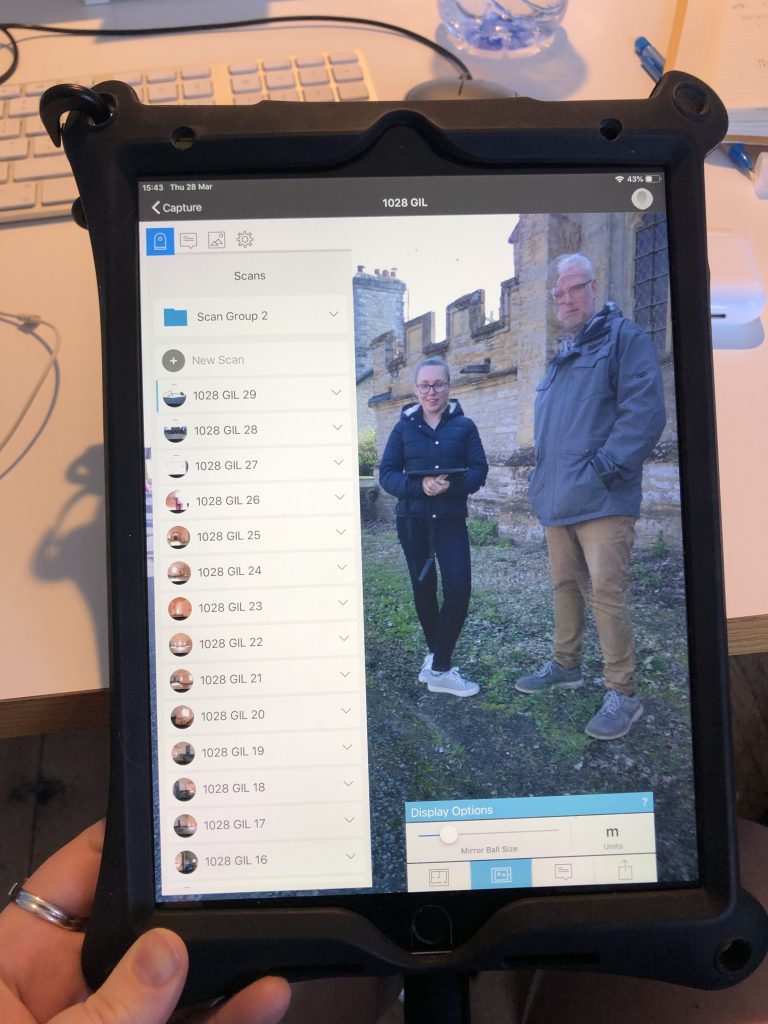
3D scanning at a site visit in Langport

Although thy had a chilly start to the morning, Freya and Stuart came back with some awesome 3D scans from a site visit in Langport.

The inside of the property
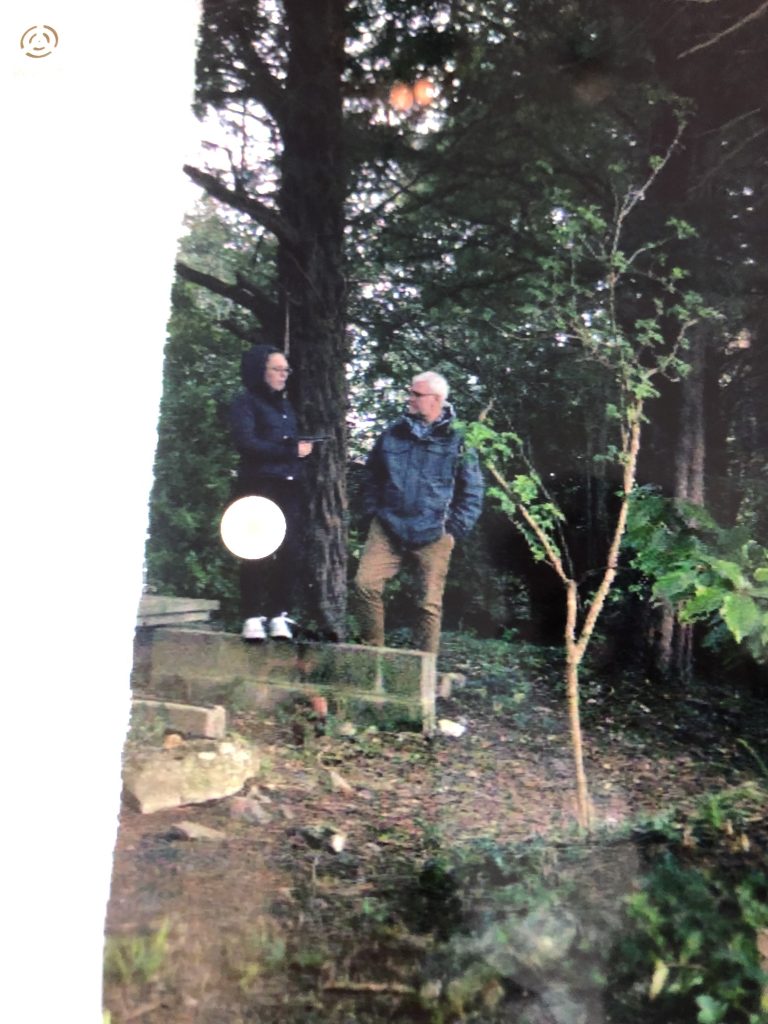
Caught on the scanner!
And again!

One thing about beautiful, historic houses is that they can often be really, really cold.

As Brits, we are no strangers to wacking on the fire and arming ourselves with fluffy socks and a hot water bottle, but what happens when this simply isn’t enough?


When our client came to us with a brief to create a sustainable and well-insulated home in Broadhembury, we stepped up to the challenge.

They were concerned that it wouldn’t be possible to insulate the existing solid cob and stone walls, which were a large part of the property’s character and charm.

The property wasn’t listed so there was a bit of flexibility on altering the existing fabric, and with our experience of improving the energy performance of existing buildings and working with listed and historic properties, we were well placed to be able to advise.

This time however we wanted to take things a step further. How could we integrate technology usually used when designing new low energy homes on a historic solid wall building?


The emphasis was on creating a living breathing house with natural materials to improve the indoor air quality and create a natural, healthy home.

We suggested bringing on board Ann-Marie Fallon, a certified Passivhaus designer, to model the existing house using PHPP software. This is a time consuming business and involves the input of a lot of data to model the way the house performs now and how it would change following adaptations such as the addition of insulation.

This enabled us to investigate how we could insulate the property and best improve on its energy performance through the type of insulation, its position (internal or external) and thickness. The software also helped us check that no condensation would occur, which is a common concern when insulating solid walls.

The existing walls were a real challenge being constructed of a mixture cob at low level and solid stone at first floor. There was a lack of existing data available for the thermal capacity of cob, and Anne-Marie had to approach the BRE to find information to create her model.  This was then used to predict how the house would behave with added insulation and calculate the potential energy savings.  Using this data we calculated the optimum thickness of insulation to give our client the best energy saving at the most economical price, without compromising the historic fabric.


Our client was also keen to use triple glazing, and we agreed that it did offer worthy benefits for this project, although came at a higher price. We decided to use triple glazing on the north facing link corridor and high performance double glazing throughout the rest of the house. Drafts in older houses are one of the biggest issues for improving energy efficiency, so replacing the windows made a significant difference to the performance of the house.

For the walls, breathable wood fibre insulation was used internally on the first floor where there was a mixture of cob and stone.  This had to be extended along the internal partition walls to prevent thermal bridging and condensation.  Part of the existing house was built in the 1970’s and had a cavity wall construction.  Here we used the wood fibre insulation externally.

The existing cement render was removed from all walls to enable them to breathe and lime render with small pieces of insulating cork used as the external finish to the older parts of the house, with a more standard lime render in other areas. Additionally, a new heating system was installed throughout powered by a wood pellet boiler and new underfloor heating laid in the new extension.

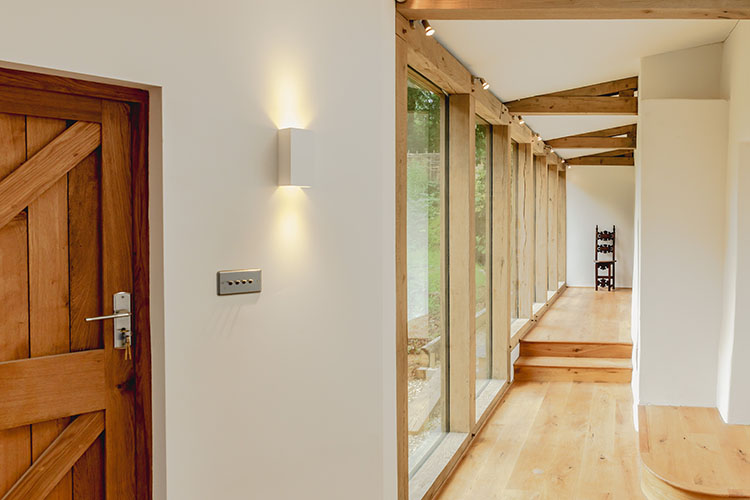
The design of the extension used an oak frame supplied by Carpenter Oak, which was wrapped in an airtight membrane and rendered in lime externally.  This gave a stunning interior space for the kitchen dining room and beautiful spaces where the ‘old meets new’ in the north facing corridor.


So if anyone tells you that an old house can’t be made warm and cosy, while retaining its historical charm and sustainable vision then send them our way!

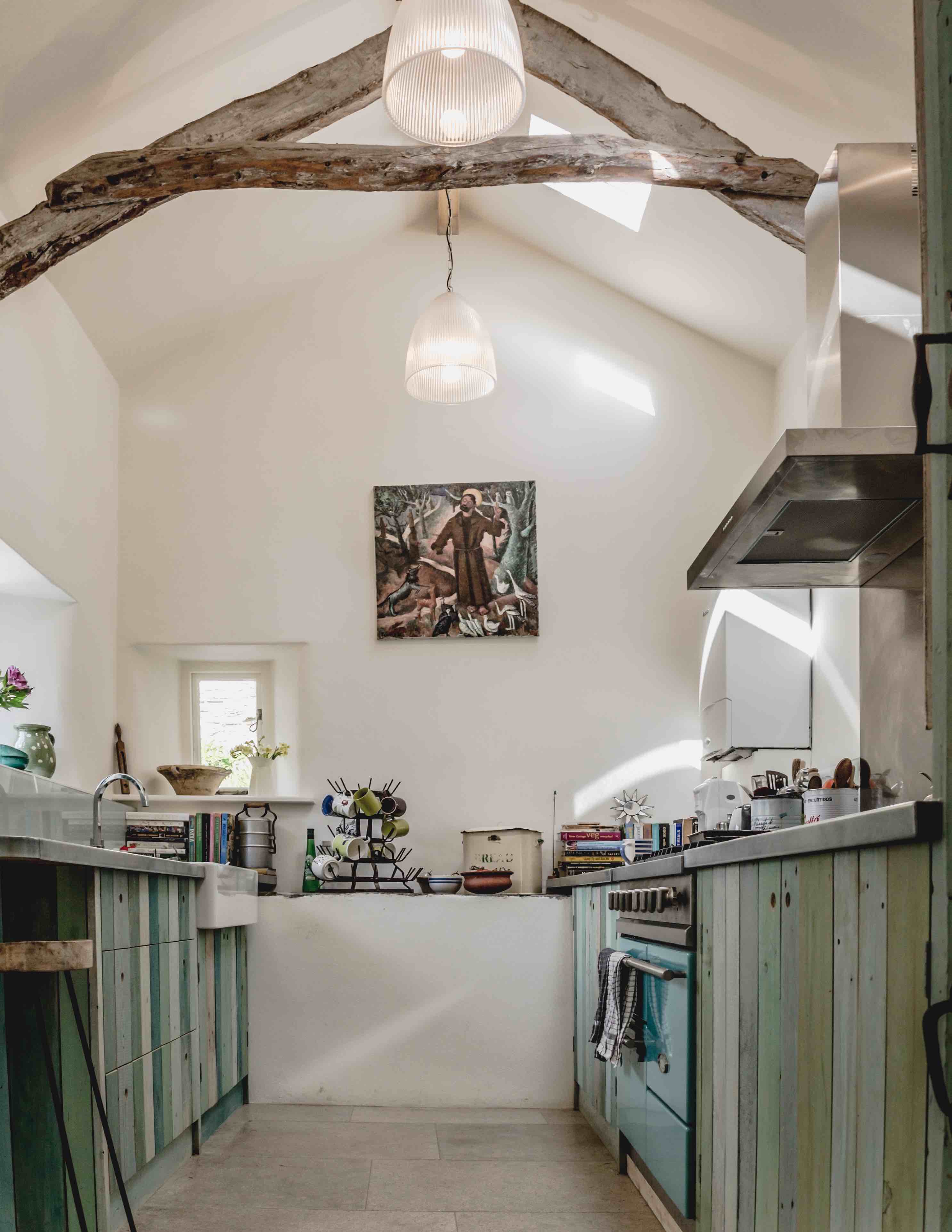
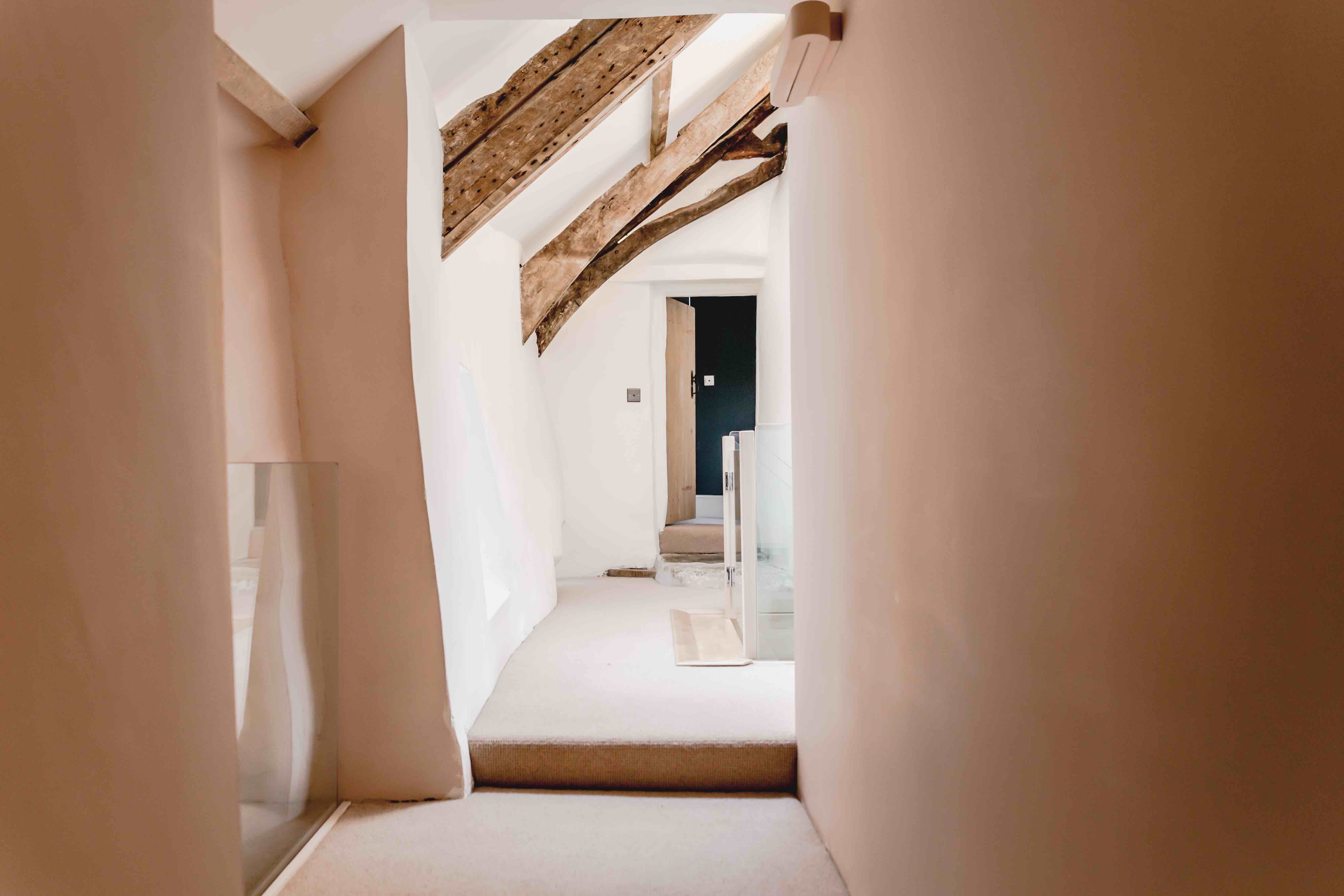
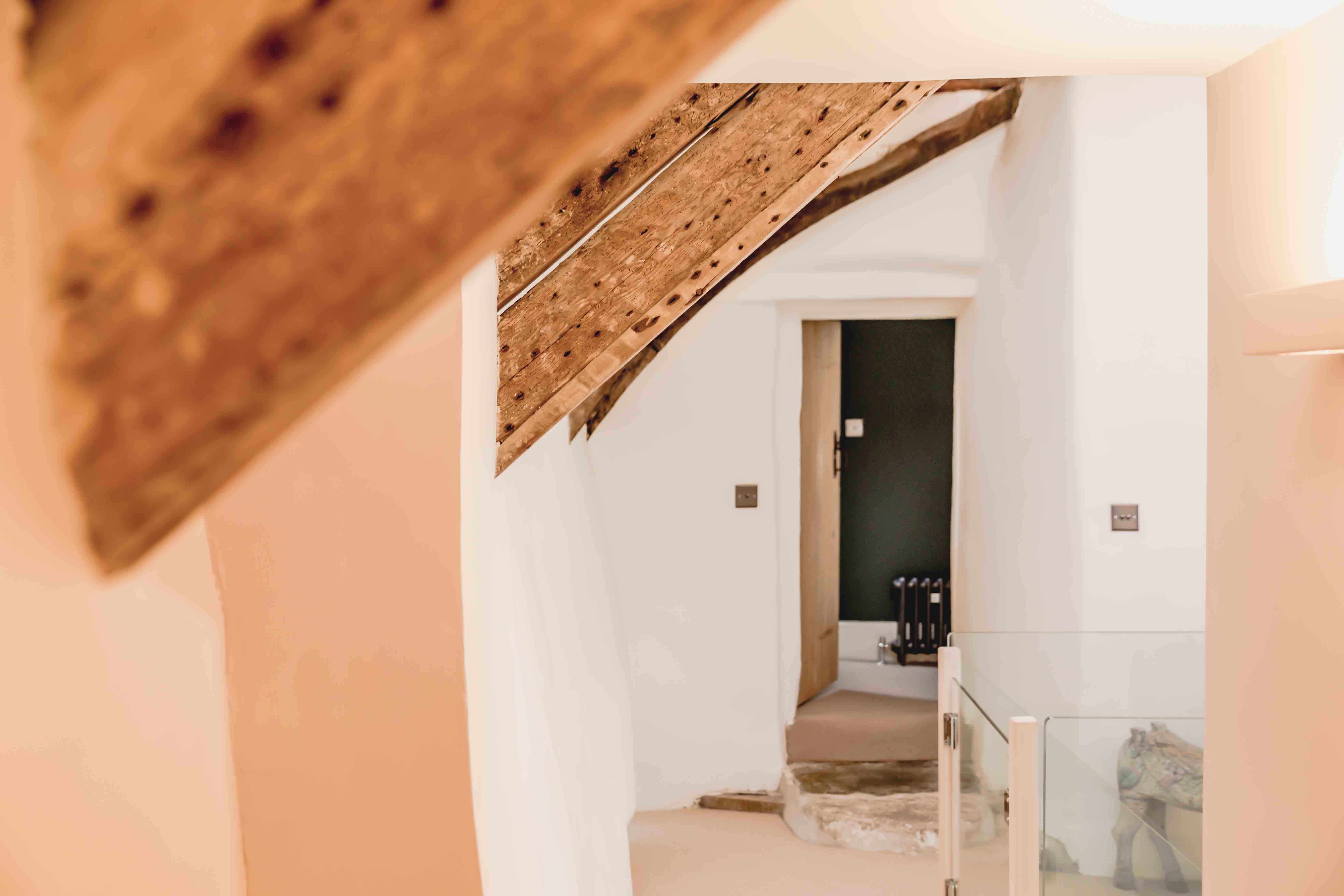
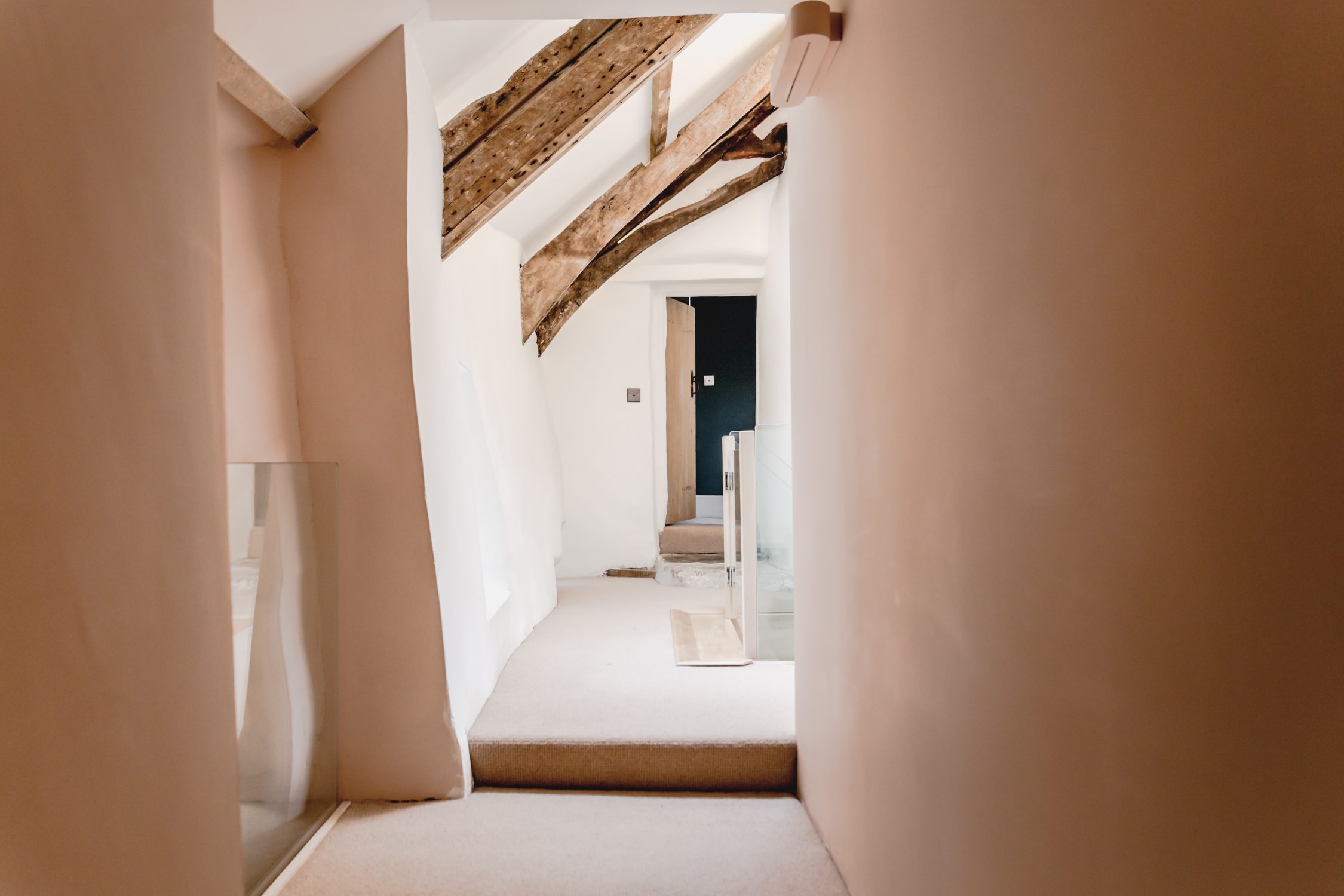
Today saw the completion of one of our favourite ever projects – the restoration of Staddon House in Walkhampton on the edge of Dartmoor National Park.  Our clients, Sue & Geoff Edwards, bought Staddons back in 2014, and after a year negotiating planning consent and 14 months on site the building is now unrecognisable.

When they bought Staddons, Sue & Geoff understood they had taken on a challenge.  Having previously restored a house in Cornwall and another in rural Italy, they weren’t under any illusion about the work that would be involved.  What they didn’t realise however was that Staddons had much more waiting to be uncovered beneath it’s damp carpets and concrete rendered walls.

On his first visit to the site, Keith McKay the Conservation officer from Dartmoor National Park realised the building might be more than it first appeared.  What everyone had assumed was just another Dartmoor Longhouse could actually be something else entirely.  As a result the planning process had to be paused whilst archeologists were brought in to help piece together Staddon’s long and varied history and shed some light on how the building had been used.

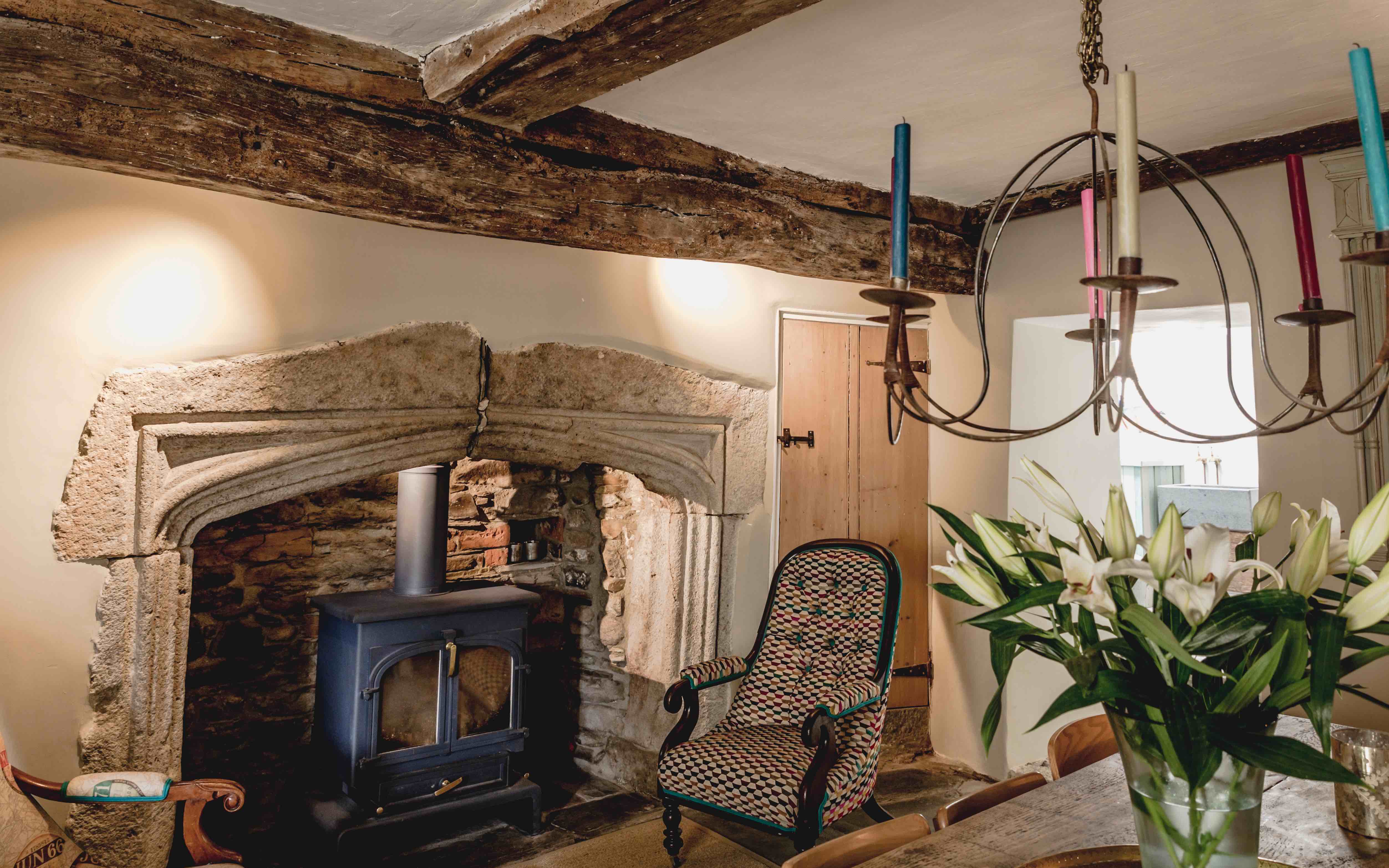
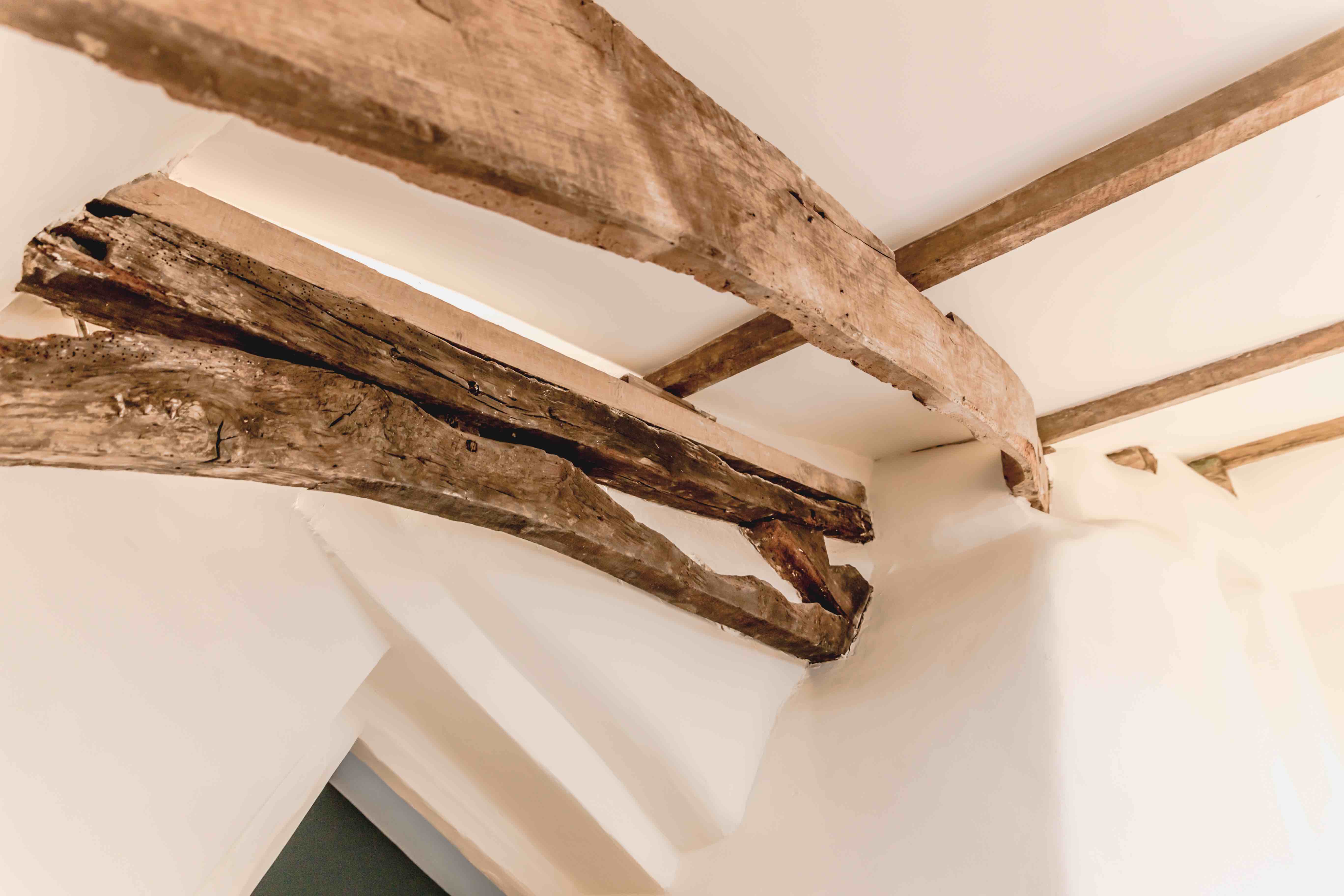
A stunning Grand Medieval fireplace was uncovered behind the small victorian hearth, lumps of granite on the fireplace in the bedroom were confirmed as Medieval candle sconces.  The most exciting news was the uncovering of a medieval beam in the roof  space tarred with soot.  From all this information it was clear that Staddons had once been a much higher status home and was likely much older than it first appeared.  Possibly a high status Medieval Hall House with two storey chamber at one end – perhaps one of the first houses in the village.

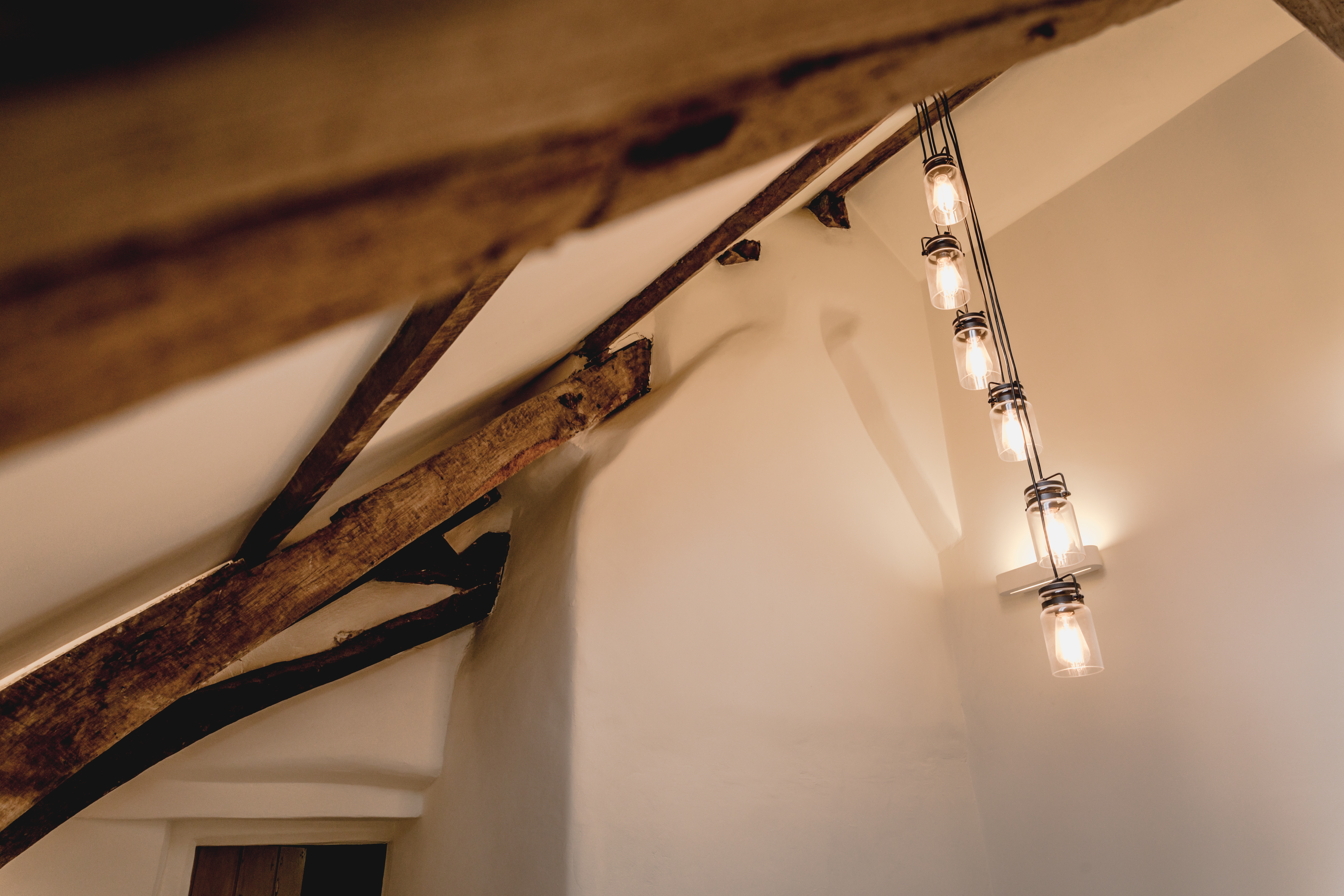
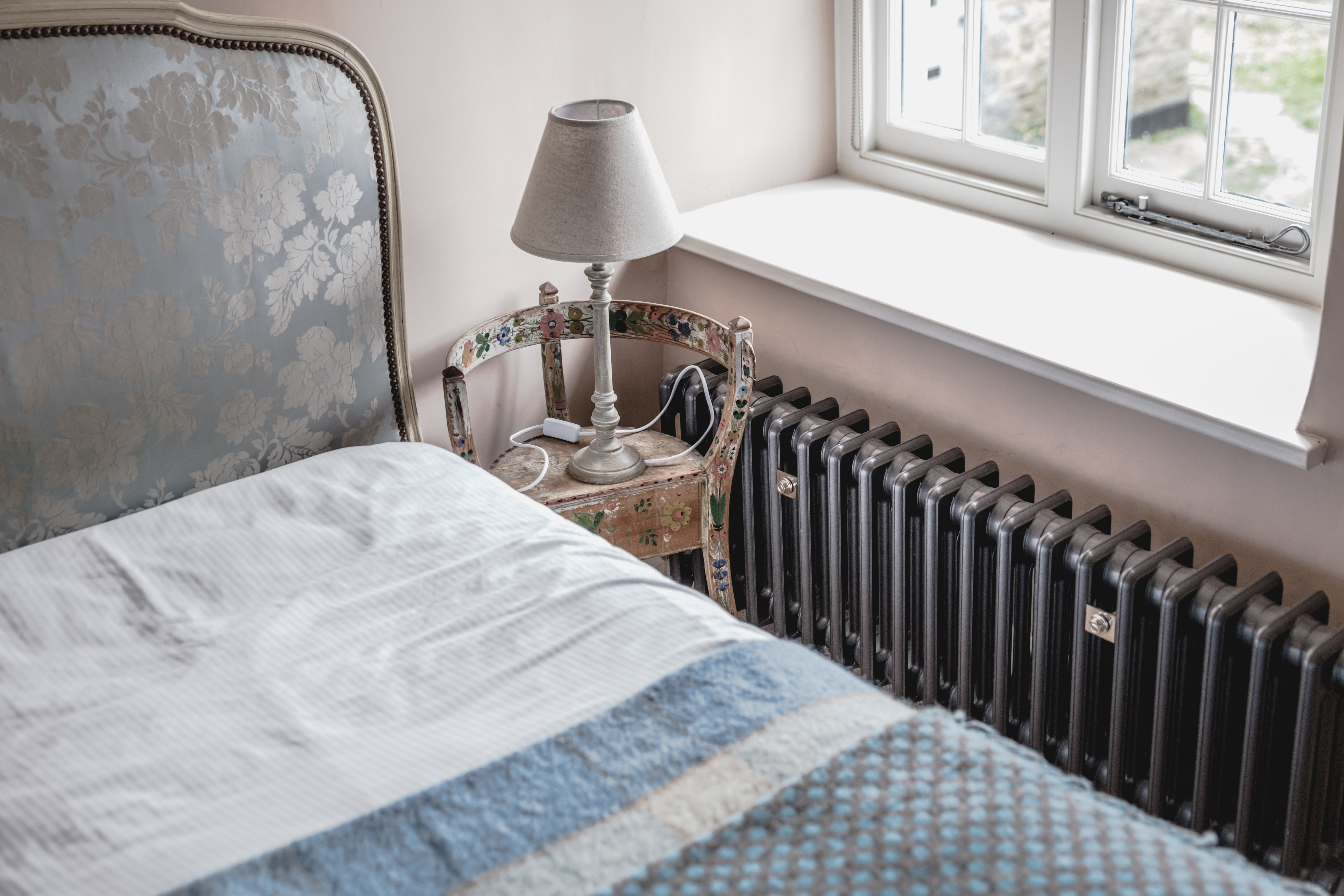
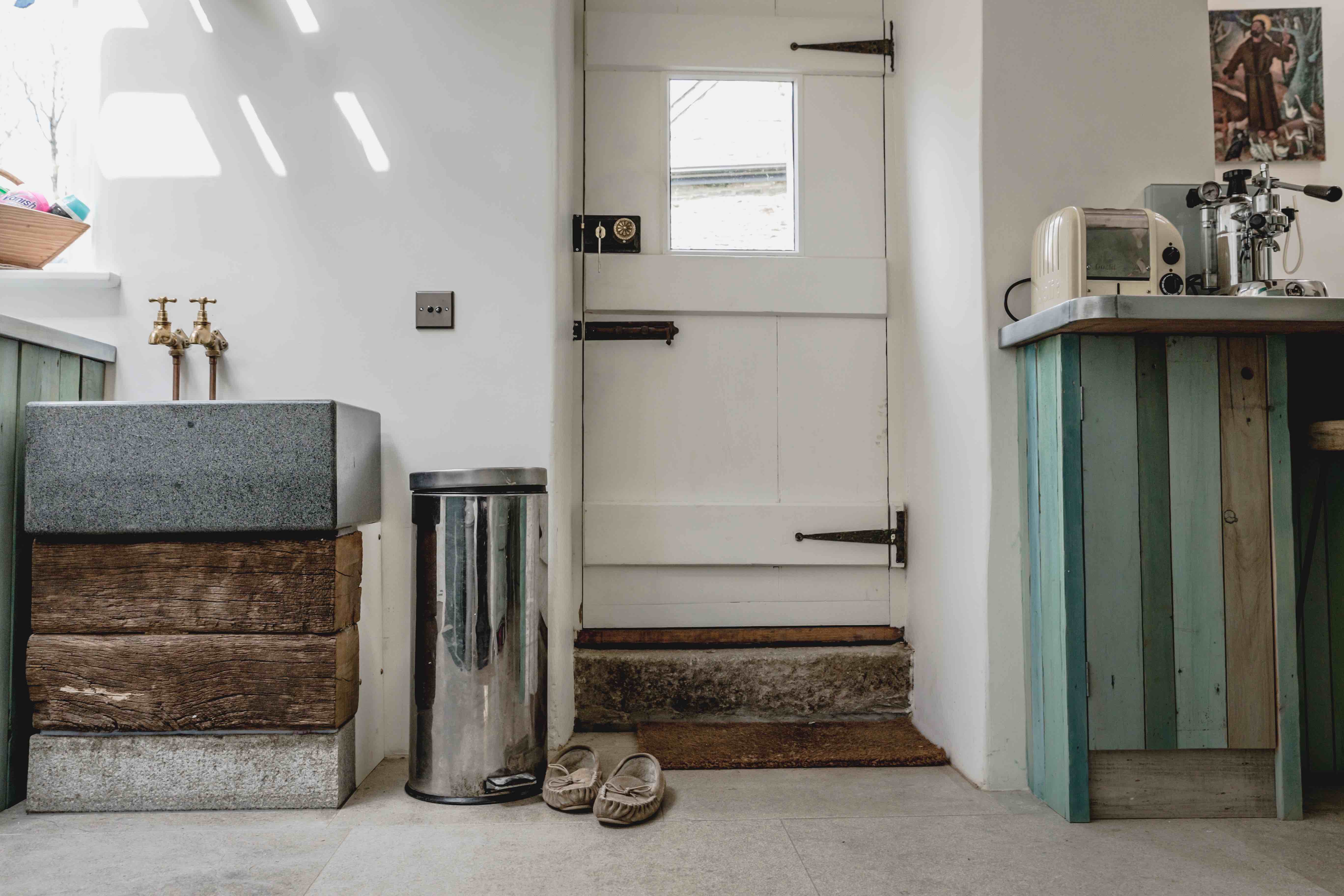
The photos attached to this post show how the team at RM builders have brought this fabulous building back to life with the help of the consultants and the passion of the clients.  A real team effort from all has lead to a successful result and a studding home.

Thanks to everyone from RM Builders in Tavistock, Rawlings joinery, DB Heating, D Farnham electrical, Devon Stone and Amos lighting for helping us with this amazing project.  (Sorry if we missed you off list – we owe you a drink!)

Living Space Architects are based in Exeter, Devon and are specialists in building Conservation and the refurbishment and extension of Listed and Historic buildings.  We enjoy working in a Modern Rustic style and introducing new contemporary elements into a historic setting.  We work across the south west on refurbishment and restoration projects with a particular expertise working on projects in Dartmoor National Park, Teignbridge, East Devon, Mid Devon, West Devon and Somerset.

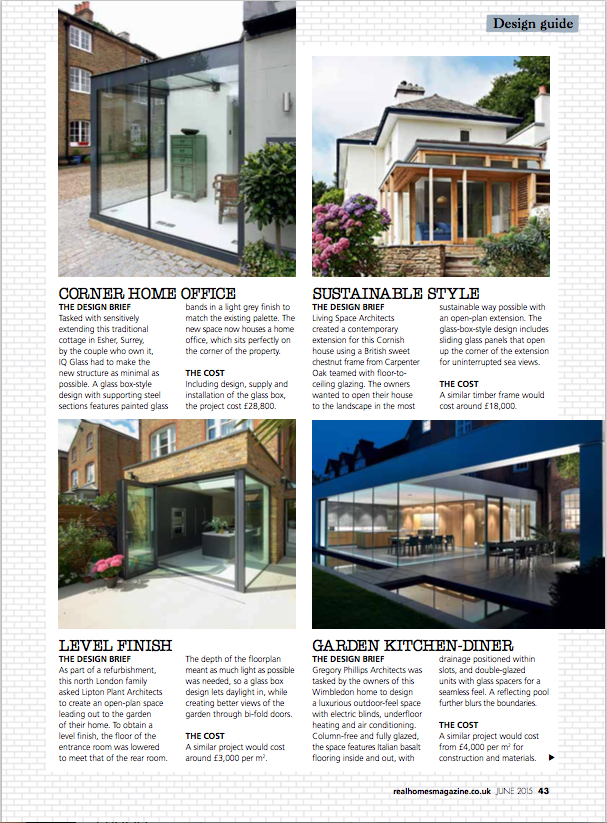
Our beautiful house extension and refurbishment project in Grey Wings, Cornwall has been featured in the ‘Design Guide’ for Real Homes Magazine under ‘Sustainable Style’.

This was a wonderful project to be part of, and we worked with obsessive detail to make the property the best it could possibly be.

The result was a highly sustainable and innovative design, embraced the stunning views and location of the property in a contemporary, stylistic manner.

To read more about the design, and see more pictures of this impressive extension, click here.

real_homes_logo


Screen Shot 2015-06-10 at 11.02.08