Unfortunately, the time has come for us to write an article about Brexit… The lingering shadow over the UK and the EU that seems to be taking longer than watching paint dry.

Brexit is at the forefront of many people’s minds and there is a lot of uncertainty about what will happen in the future. Uncertainty has lead to a decline in the housing market in the UK, with many buyers and sellers holding off doing anything with their properties until there is a little more security around the future of the UK. Whatever the outcome, Brexit (or no Brexit) will have a huge impact on the industry.

Construction contributes around 10% of world GDP, employs 7% of the global workforce, and consumes around 20% of the world’s energy. The construction industry is so important, it is widely seen as the best indicator of a national economy’s health.

What will the impacts be on the industry if we leave the EU?

  • The EU delivers up to 62% of our building materials and components – equalling approximately £5.7 billion in supplies
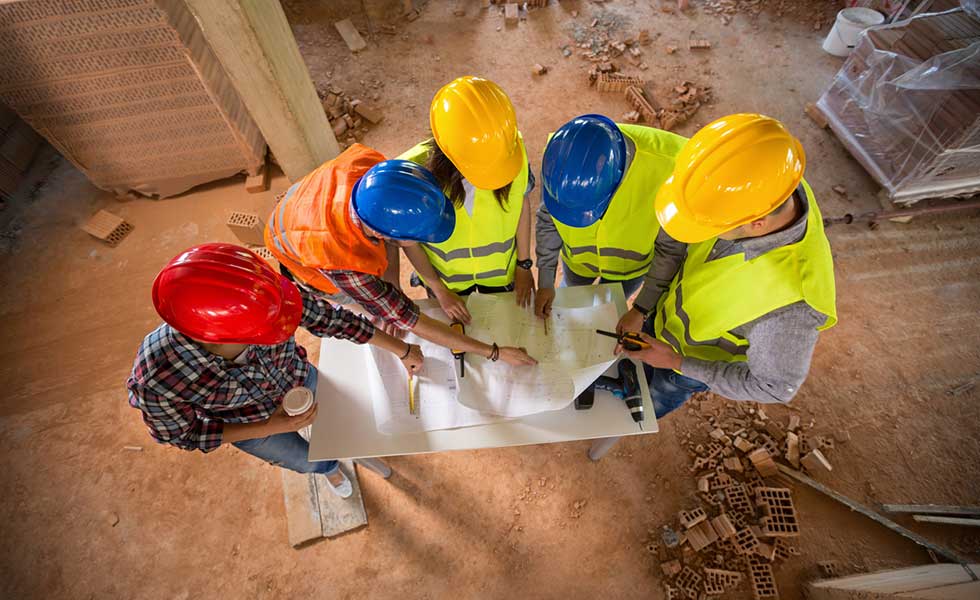
  • In Q4 2017’s, 67% of contractors said they struggled to find bricklayers, and 50% were unable to hire joiners and carpenters.
  • Office of National Statistics figures show that one-third of workers on construction sites in London were from overseas, with 28% coming from the EU
  • On a more positive note – Brexit could mean far less red tape in the construction industry, speeding up processes on site

In Summary…

If we leave the EU, the biggest impact will be on the availability of a workforce for construction, as such a large proportion of construction workers come from the EU. It has the potential to lead to a skills shortage catastrophe and means the government needs to look into new ways of improving skills amongst the UK population, for example, through apprenticeships funding. It will also mean we will need to find materials from elsewhere around the world or strike a significant trade deal with the EU. On the other hand, it also has the potential to decrease the amount of red tape that impacts the building of new homes in the UK.
The team have had a great couple of weeks. They have been kept very busy with lot’s of work in the pipeline!

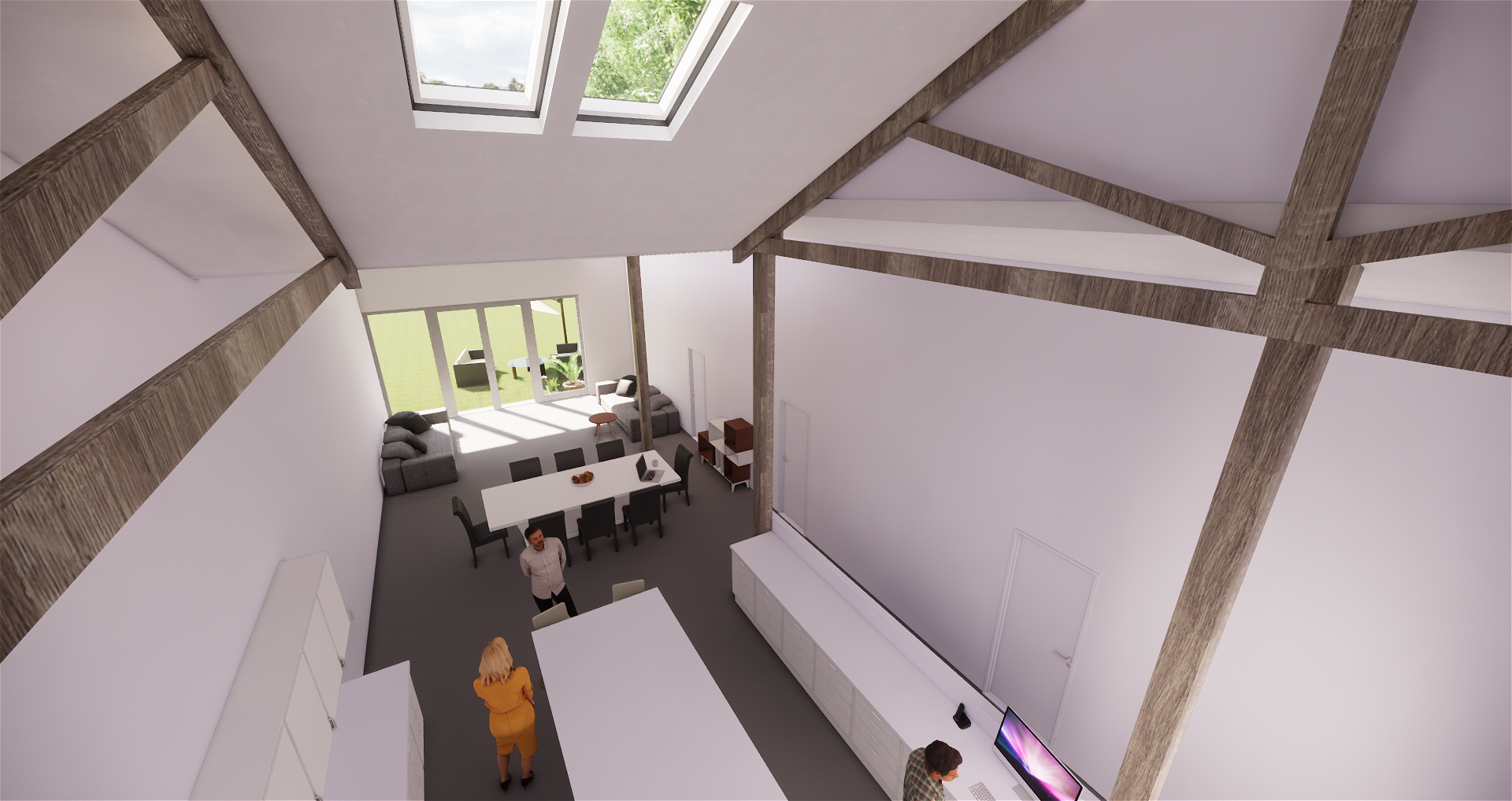
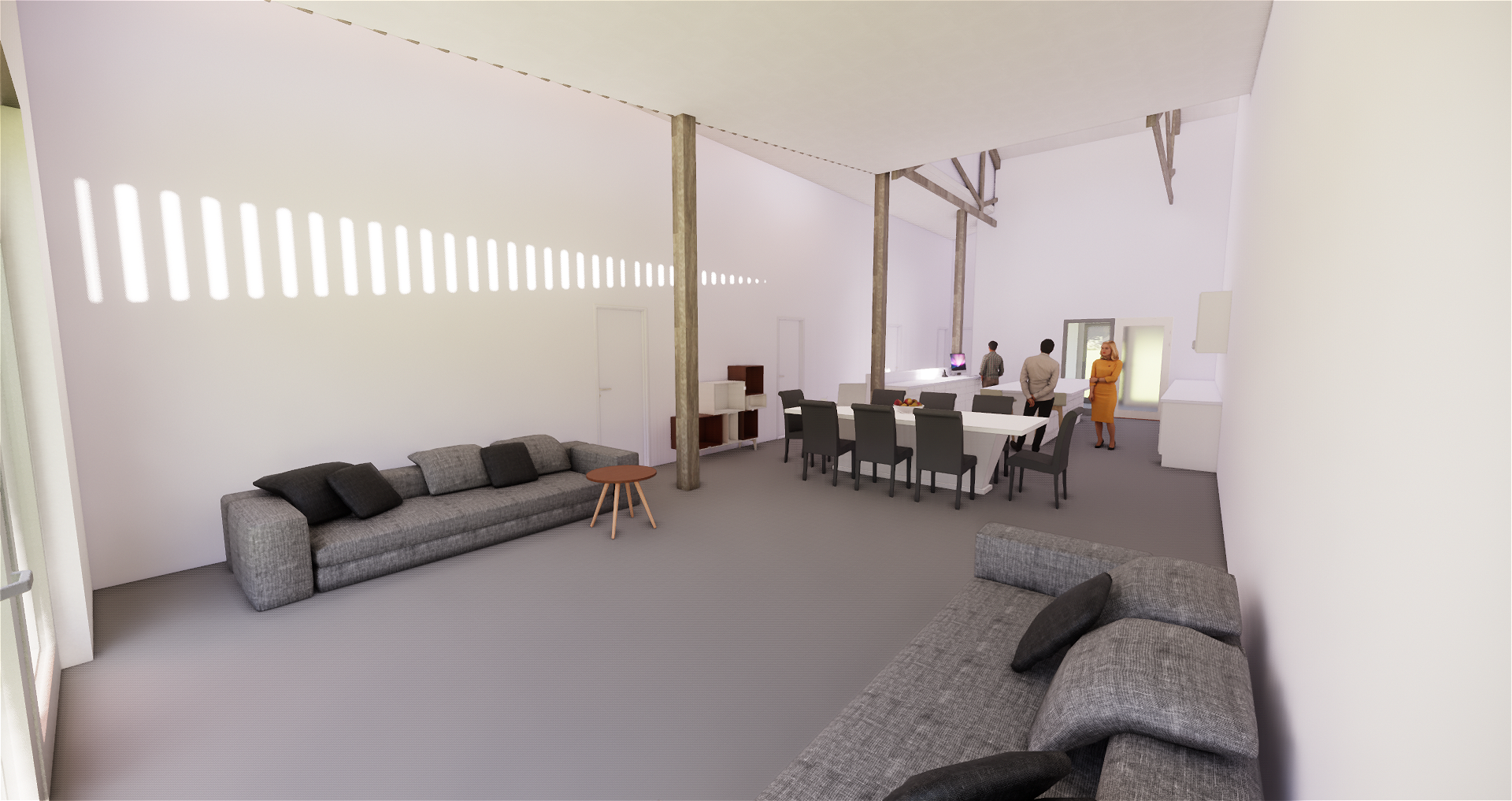
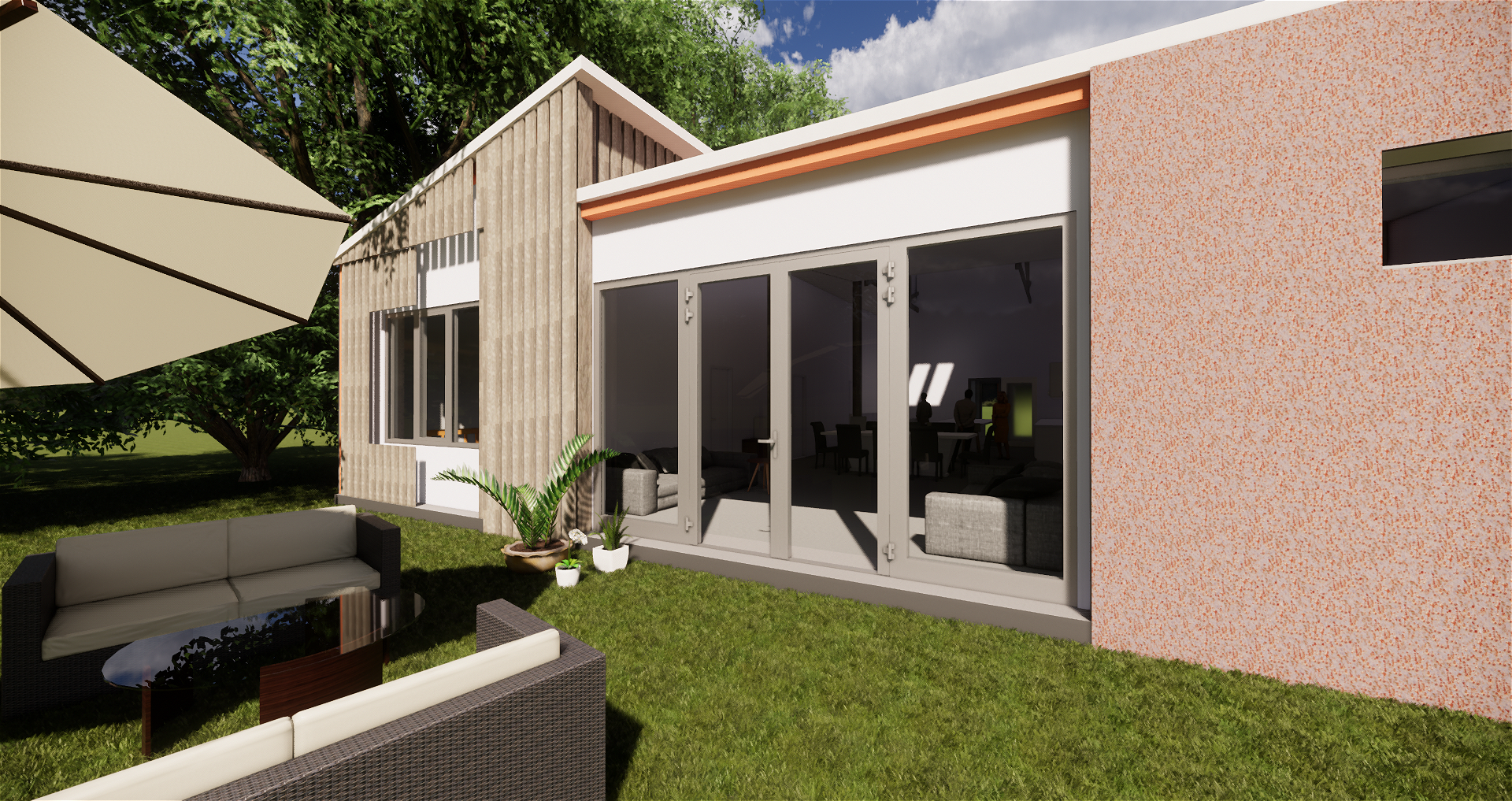
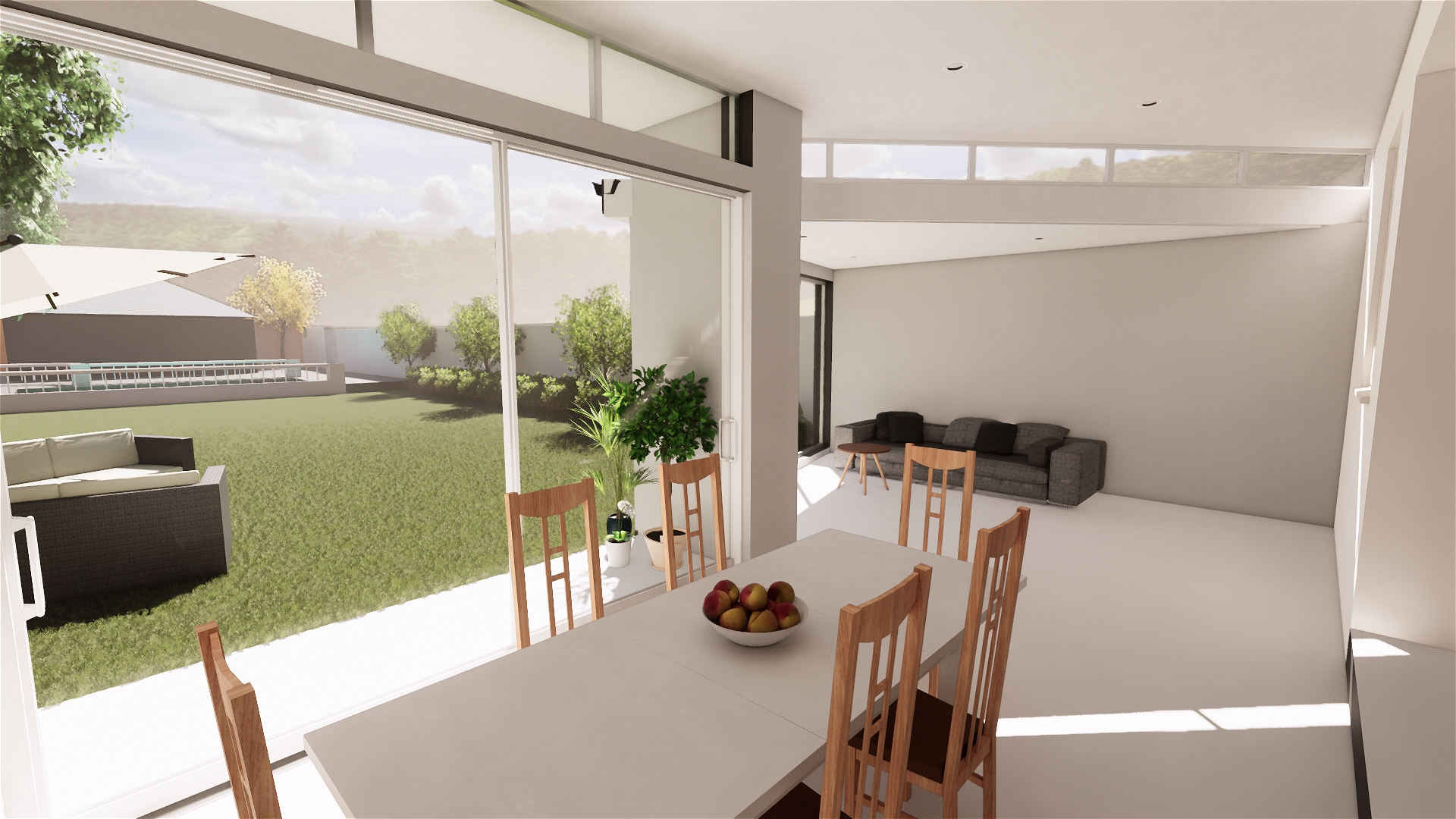
Contemporary Barn Conversion in West Hill

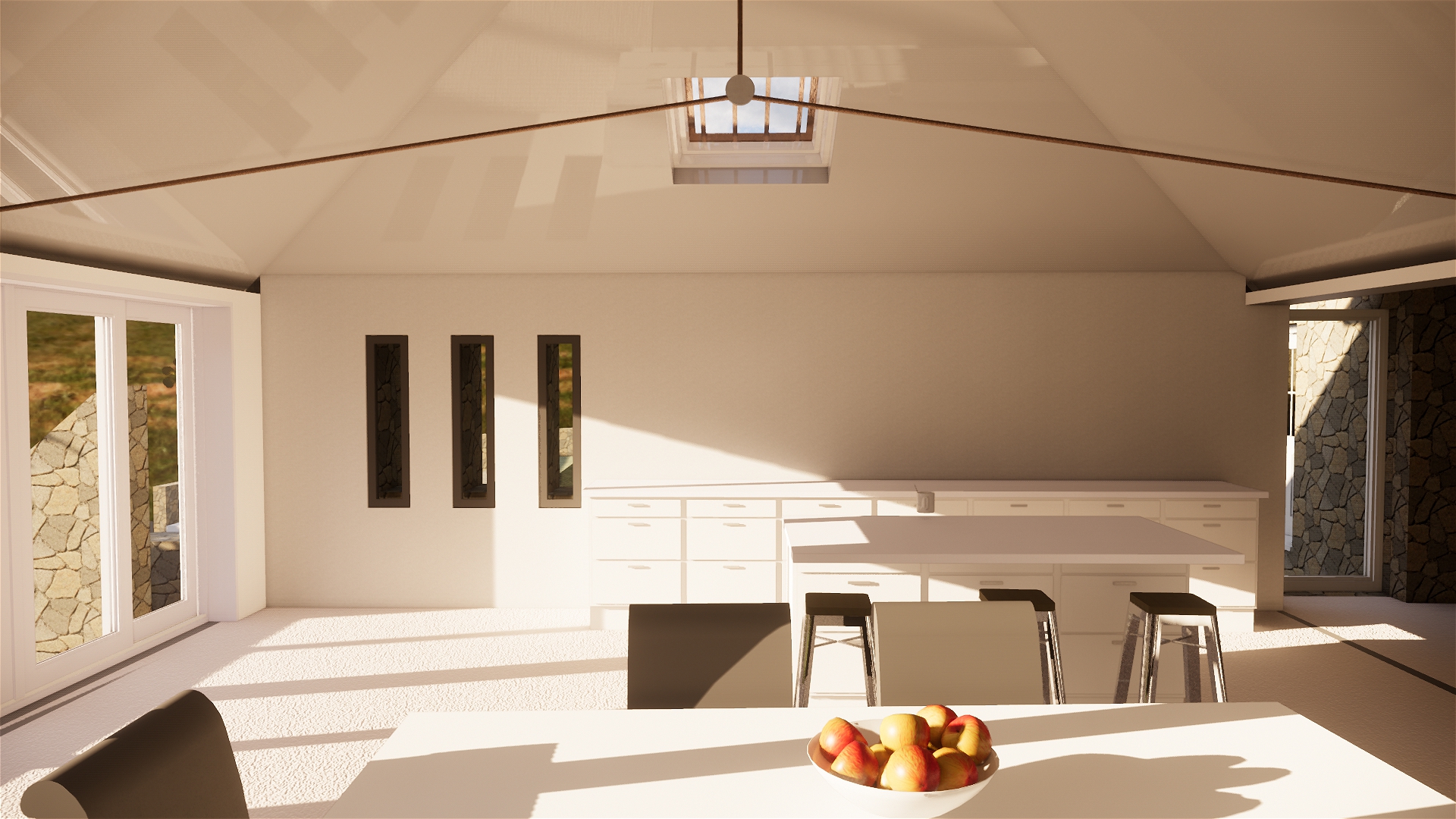
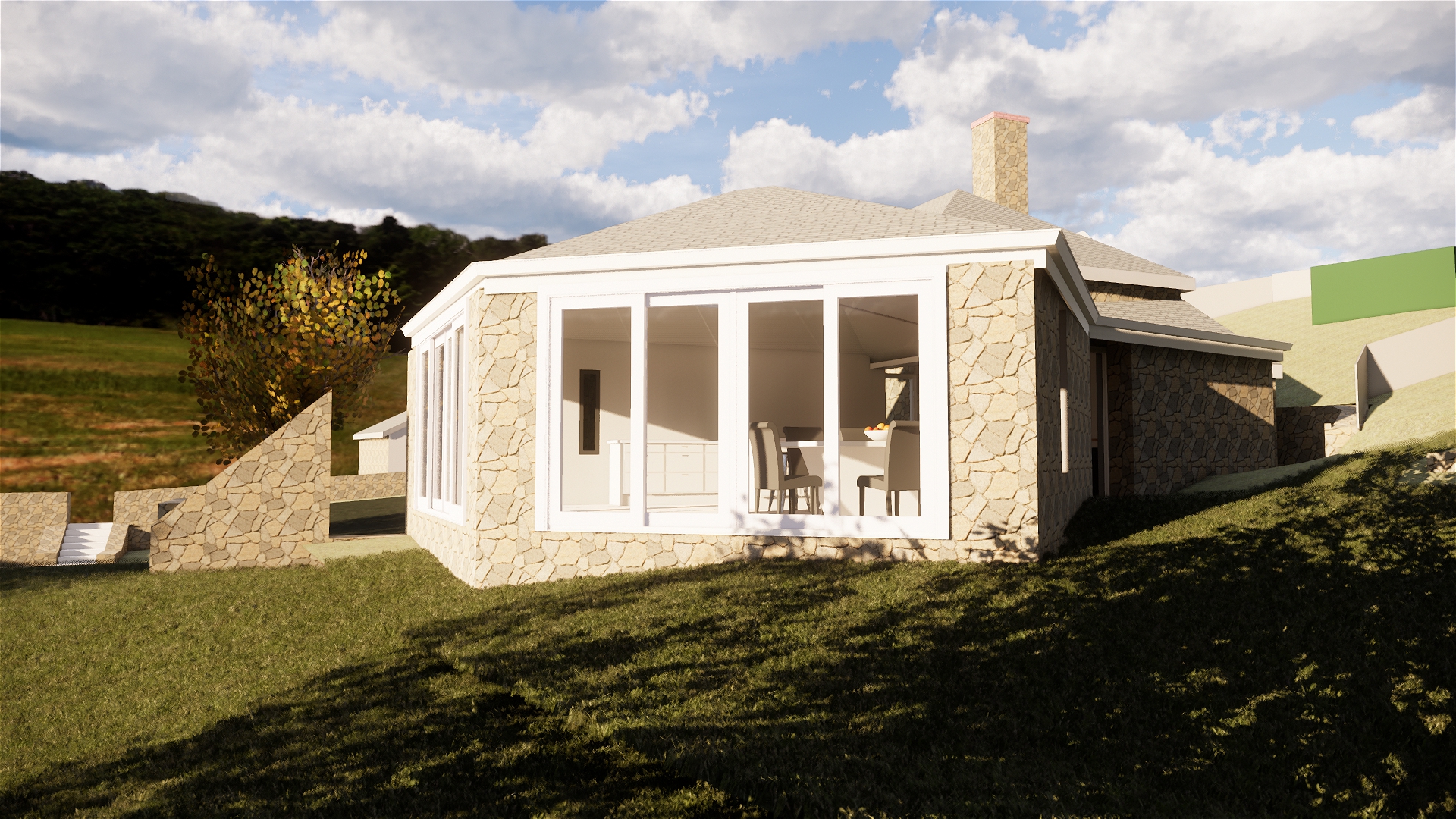
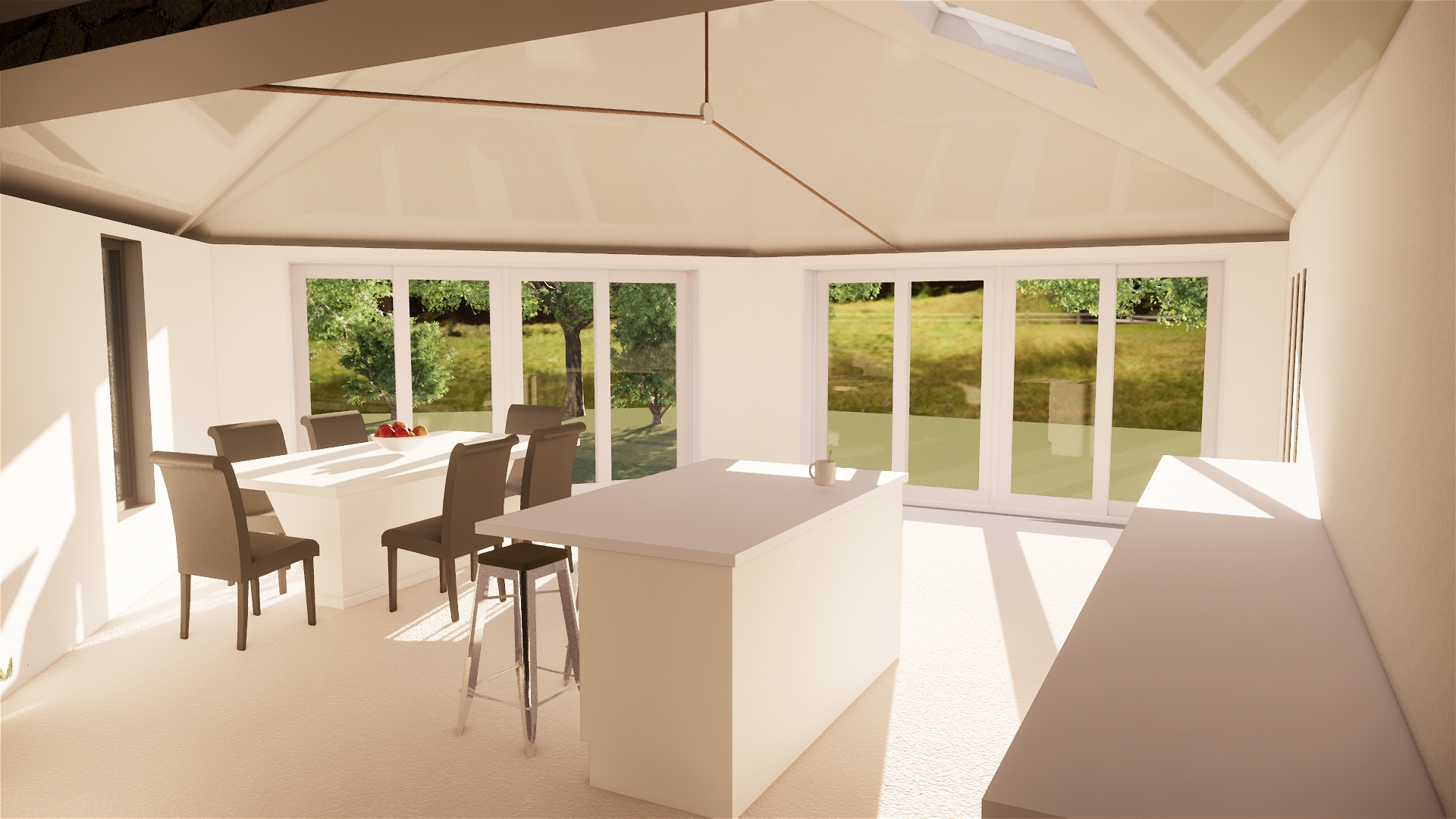
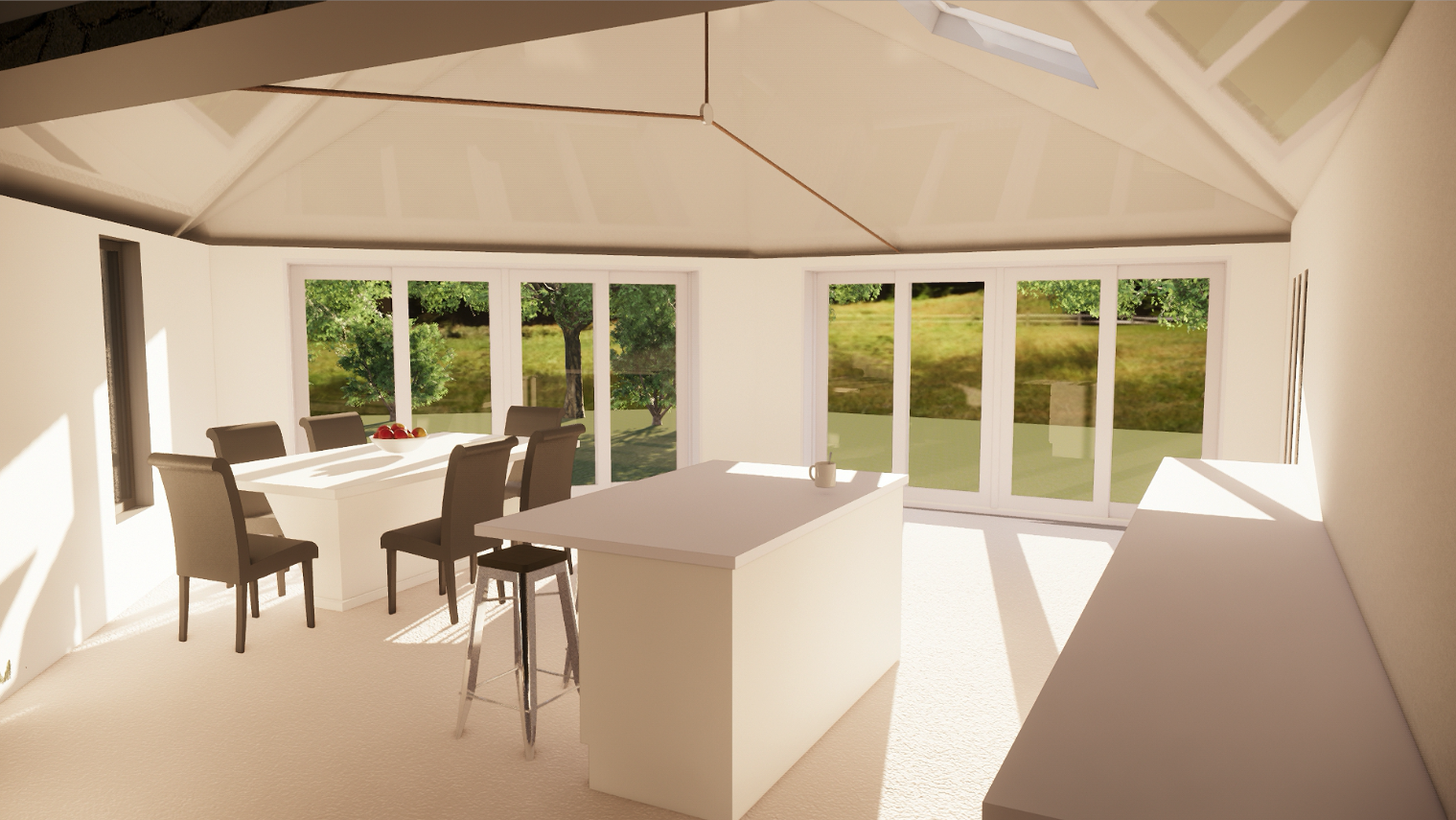
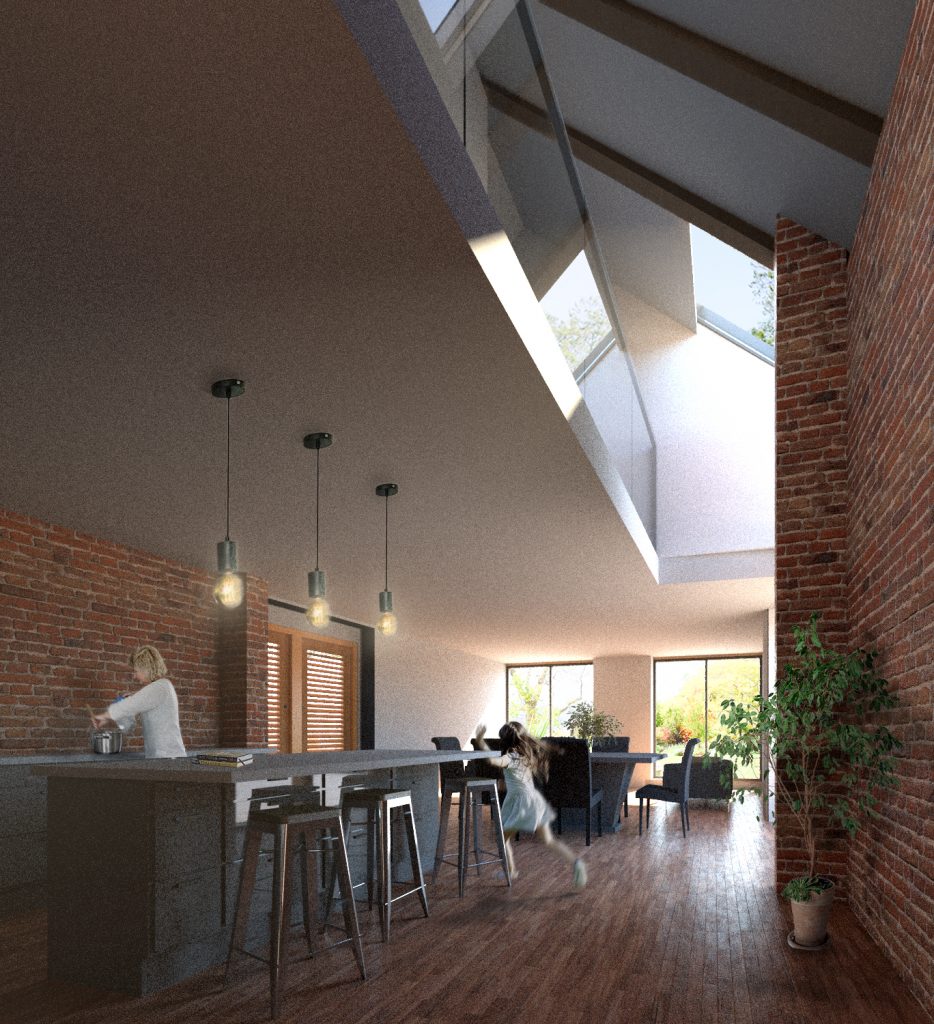
We have been working on creating some fantastic images for a contemporary barn conversion in West Hill. In the image you can see we are trying to create a more open plan space, experimenting with different ways we can allow natural light into the space.

Kirsty applies for her Conservation Architect Status through RIBA!

Kirsty has been working extremely hard to apply for her official Conservation Architect status through RIBA.

Receiving “Conservation Architect” status means that RIBA accredits her to have an in- depth knowledge and experience of working with historic buildings.

Within this application Kirsty is submitting 4 papers reflecting the range of work areas a conservation architect undertakes, in which, she has used examples of some of her incredible work.

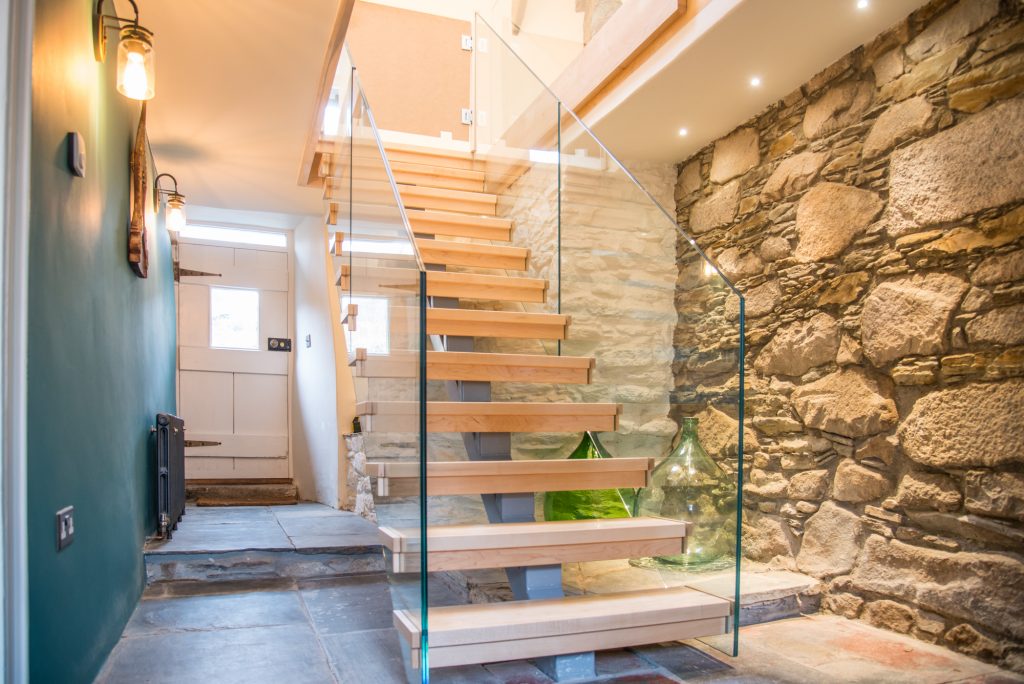
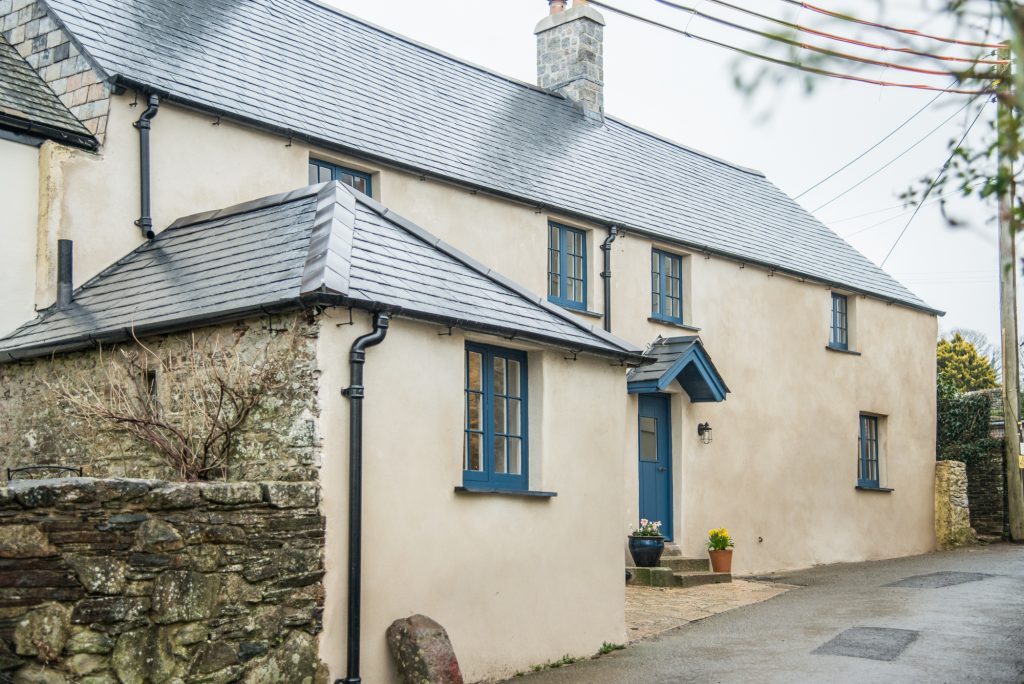
One of the projects Kirsty has written about is the extensive refurbishment and alteration project of what was originally a medieval hall longhouse in Dartmoor. The refurbishment and extension of the property won the Conservation Award in 2017 from The Devon Historic Buildings Trust!

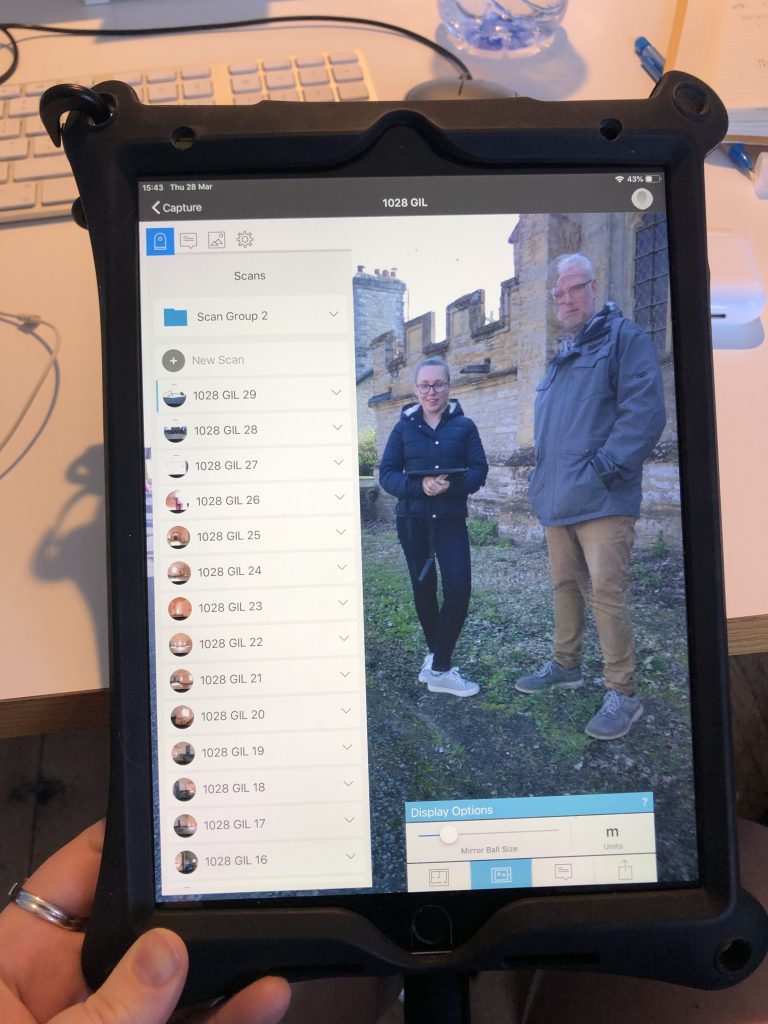
3D scanning at a site visit in Langport

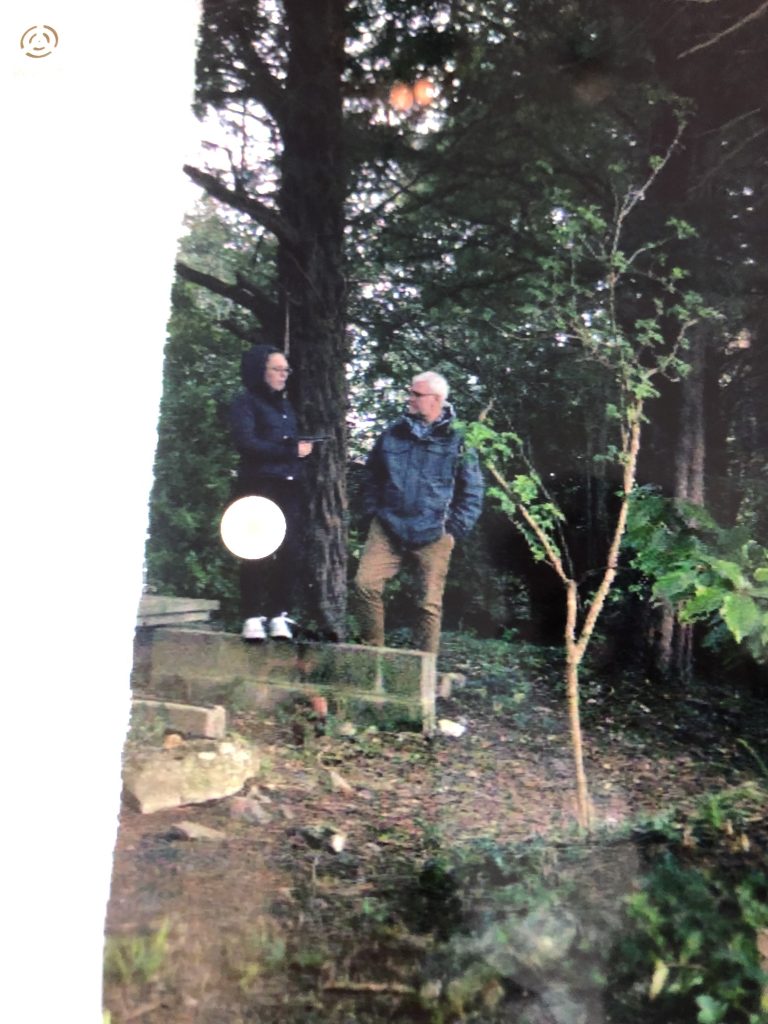
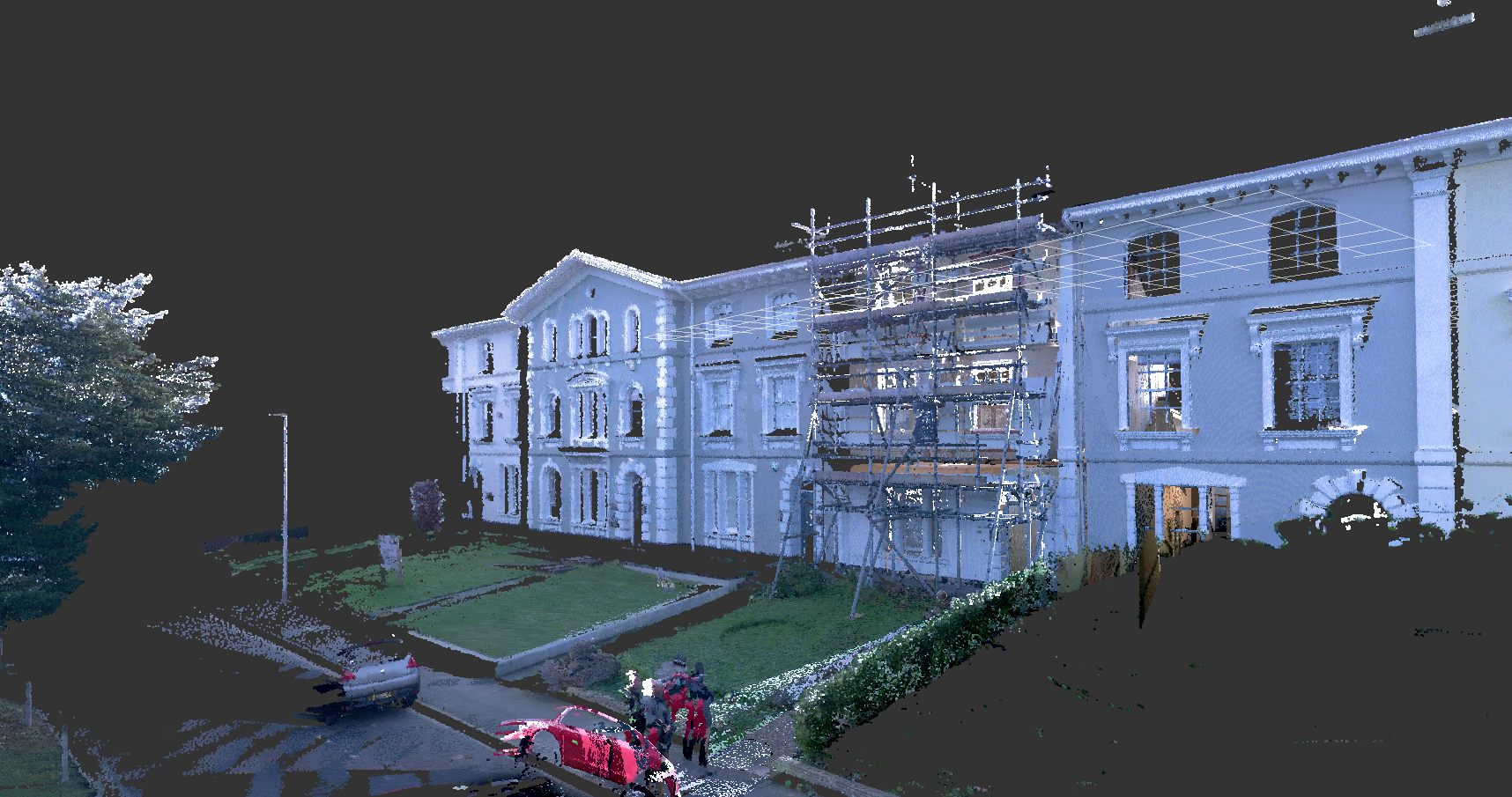
Although thy had a chilly start to the morning, Freya and Stuart came back with some awesome 3D scans from a site visit in Langport.

The inside of the property
Caught on the scanner!
And again!

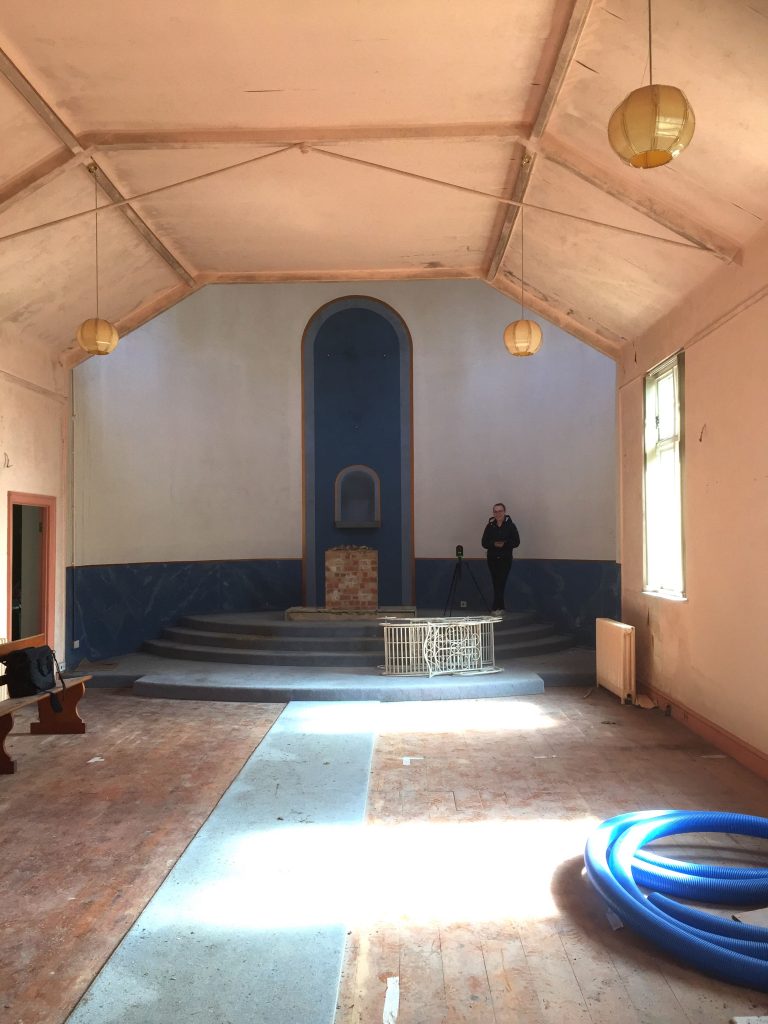
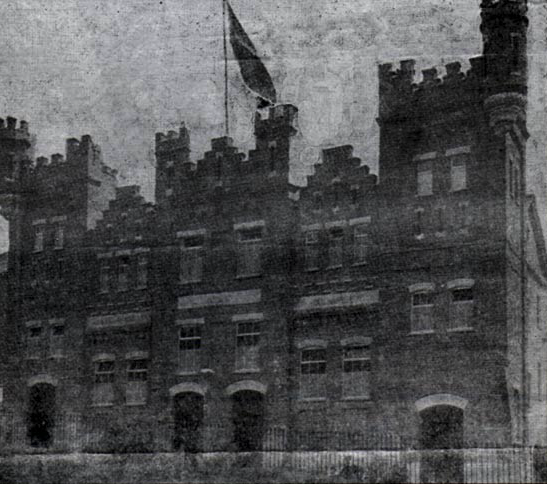
We are extremely excited to announce that we will be working on a new project with the Salvation Army in Exeter!

A brief history of the building and the Salvation Army

The Salvation army was set up in 1865 by William Booth. William Booth was an evangelist who wanted to offer practical help to the poor as well as preaching the gospel to them. Mr Ernest Stear was a local Methodist preacher who ran the Temperance Chapel in Friars Walk, he offered the church to the Salvation Army for their use. The branch was a huge success and in October 1881 William Booth visited the City expressing his pleasure with the activities to date. He announced from the platform that they would buy the Temperance Chapel and convert it so that 2,000 people could be accommodated, and it would now be known as Exeter Temple.

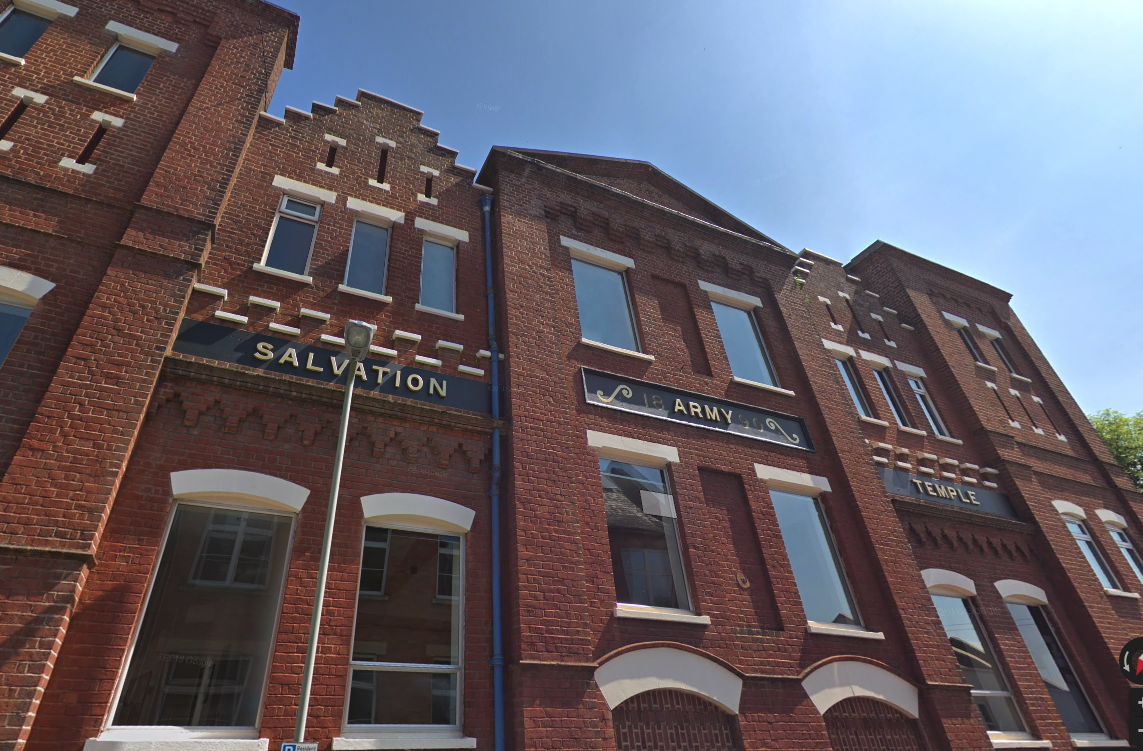
The Temperance Chapel was extended to its present form, providing seating for 2000, and ancillary rooms. The front of the building in Friars Gate was built as a “citadel” with its tessellated features.

The image below (taken from Google Maps) shows the current building from the outside 

Whilst we are still in discussion with the community, we have been thinking about potentially adding a cafe and charity shop to the site whilst also making additional repairs and improvements.

Planning permission granted for a unique location in Haldon Forest

We have been able to secure planning permission for a beautiful location in Haldon Forest, using the Class Q barn conversion legislation. The property will be converted from a disused barn into 2 stunning properties. Keep an eye out for our next blog post, which goes into more detail about Class Q barn conversions!

Below are some amazing images of what the project will look like upon completion

Planning permission won for property in St Leonard’s

To find out more about the details of this property and how we managed to obtain planning permission, have a look at our recent blog post.

Planning Permission Won for House Extension and Alterations, North Devon

This project entails the re-positioning of this property’s kitchen to the new extension, opening out onto the garden. The design presents an exciting opportunity to design an extension which will have a strong aesthetic connection to the original house, re-using materials from the site.

What is BIM?

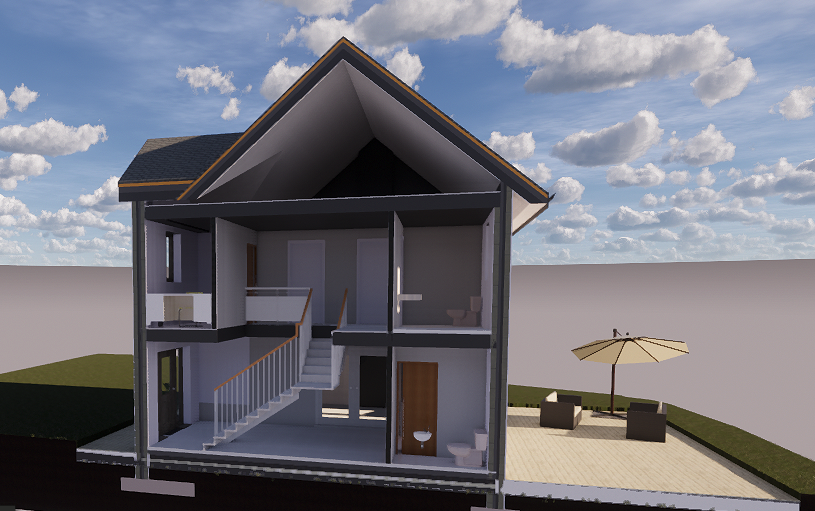
BIM stands for Building Information Modelling. It is a broad term that describes creating and managing digital information about a building. Essentially, it’s the way in which architects now design buildings.

It’s purpose is to have all the information about a project in one place, in order to allow better decisions to be made throughout the design process.

The benefits of using BIM

1. This technology takes about half the time that hand drawn designs used to take, but allows us to delve into much more detail on the plans

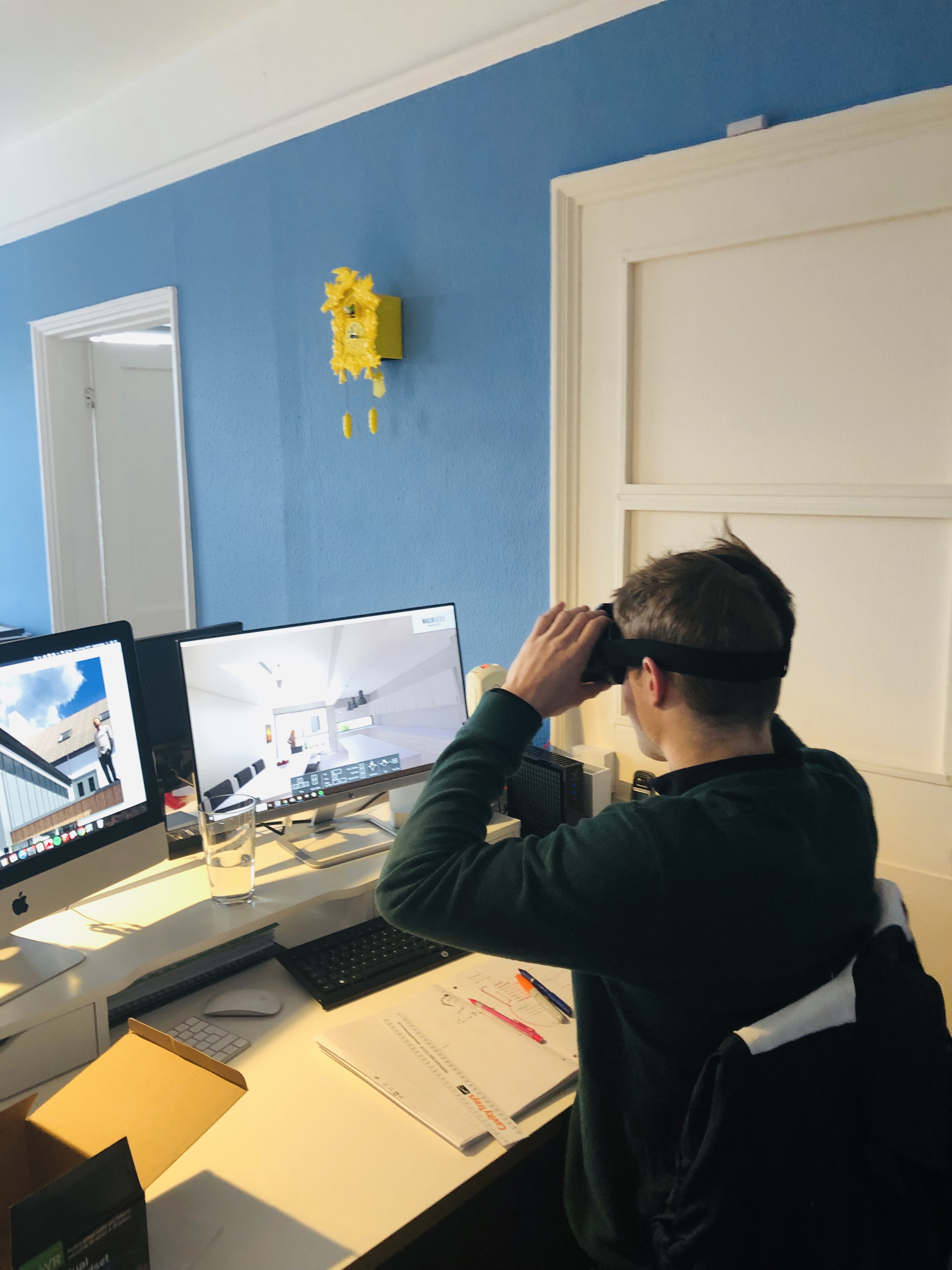
2. Communicating the design can be made very creative and exciting. Using Virtual Realty technology you can virtually step inside your future home!

3. Facilitating collaboration has never been easier, several individuals can edit the design and input their ideas during meetings


4. Human error, although inevitable, can be reduced significantly as the design can be checked and corrected much quicker than with hand drawn designs

5. It makes changes to designs much easier. For example changing the size of windows can be altered at the click of a button and the roof height altered accordingly

6. Having all of the information in one place also means that it is much easier to facilitate RFI’s when needed

7. It considers the design as a whole, for example; aesthetics, material selection, access, maintenance and construction.

8. Provides spacial awareness and retains the feel of the original design


If you want to find out more detail about our design process, take a look at the PDF below.

[pdf-embedder url=”https://www.livingspacearchitects.com/wp-content/uploads/2019/02/LSA-Brochure-new.pdf” title=”LSA Brochure (new)”]

St Leonards, Exeter

The Brief:

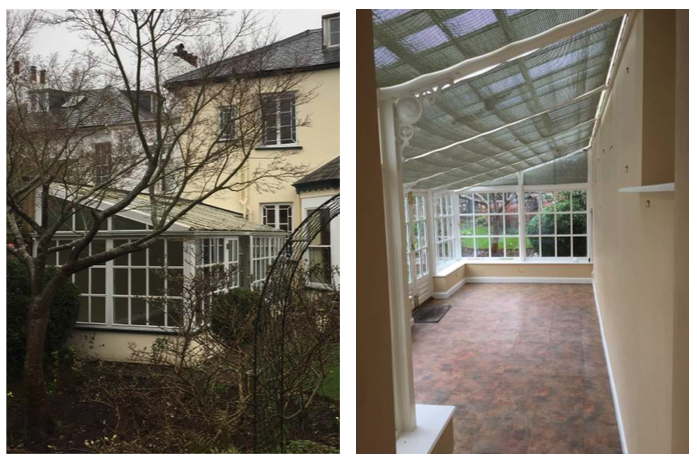
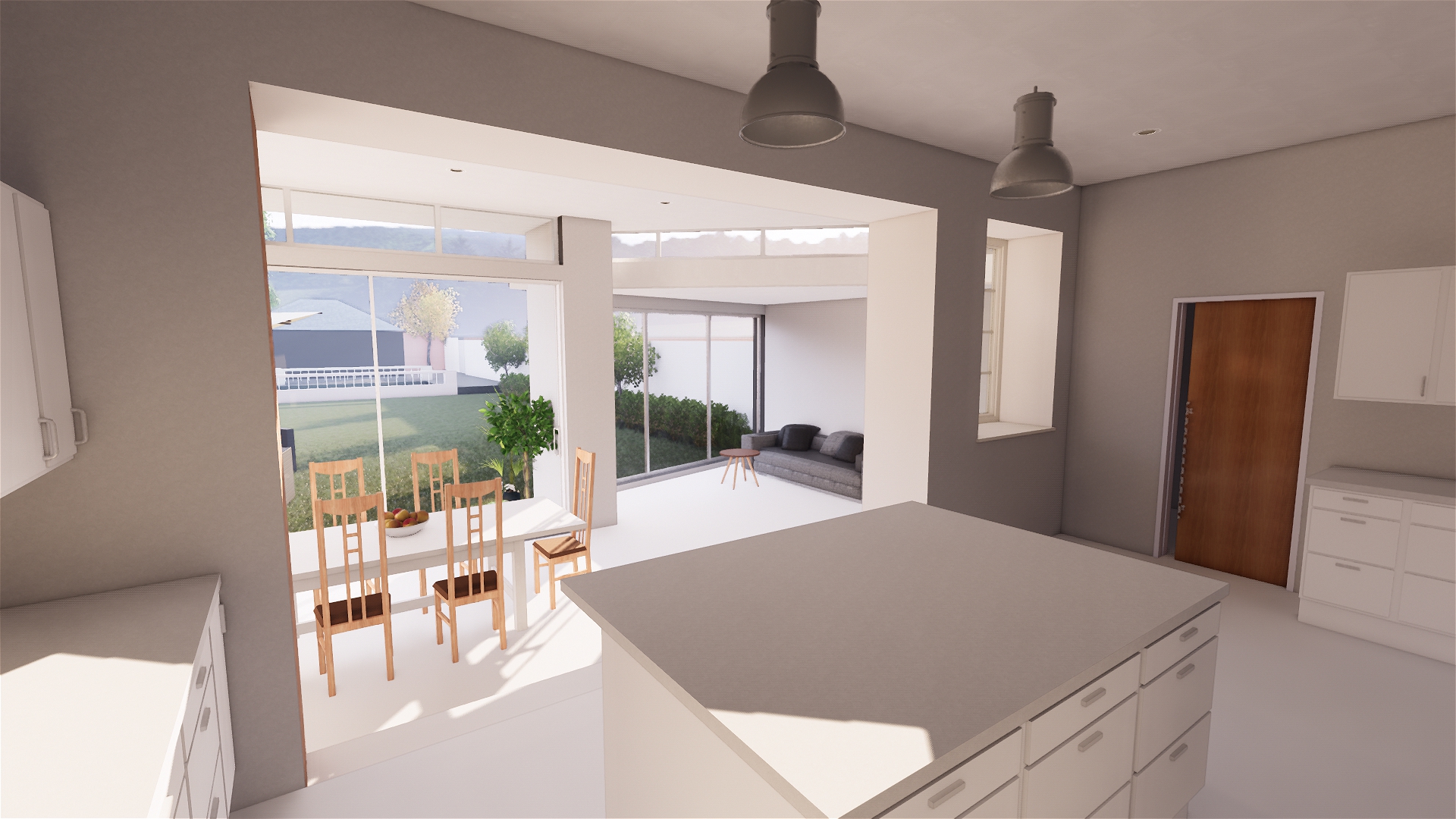
  • The client requested a major ground-floor extension, replacing the conservatory and bay window, extending into the garden and creating an extended kitchen and living space

The Problem:

  • The property is a listed building within a unique style of buildings in the area.
    • Regency style architecture – spanning the first 30 years of the 19th century and showing a natural progression from the Georgian style that preceded it
  • There was a need to ensure that the new extension did not obstruct the light to the neighbours property

The Solutions:

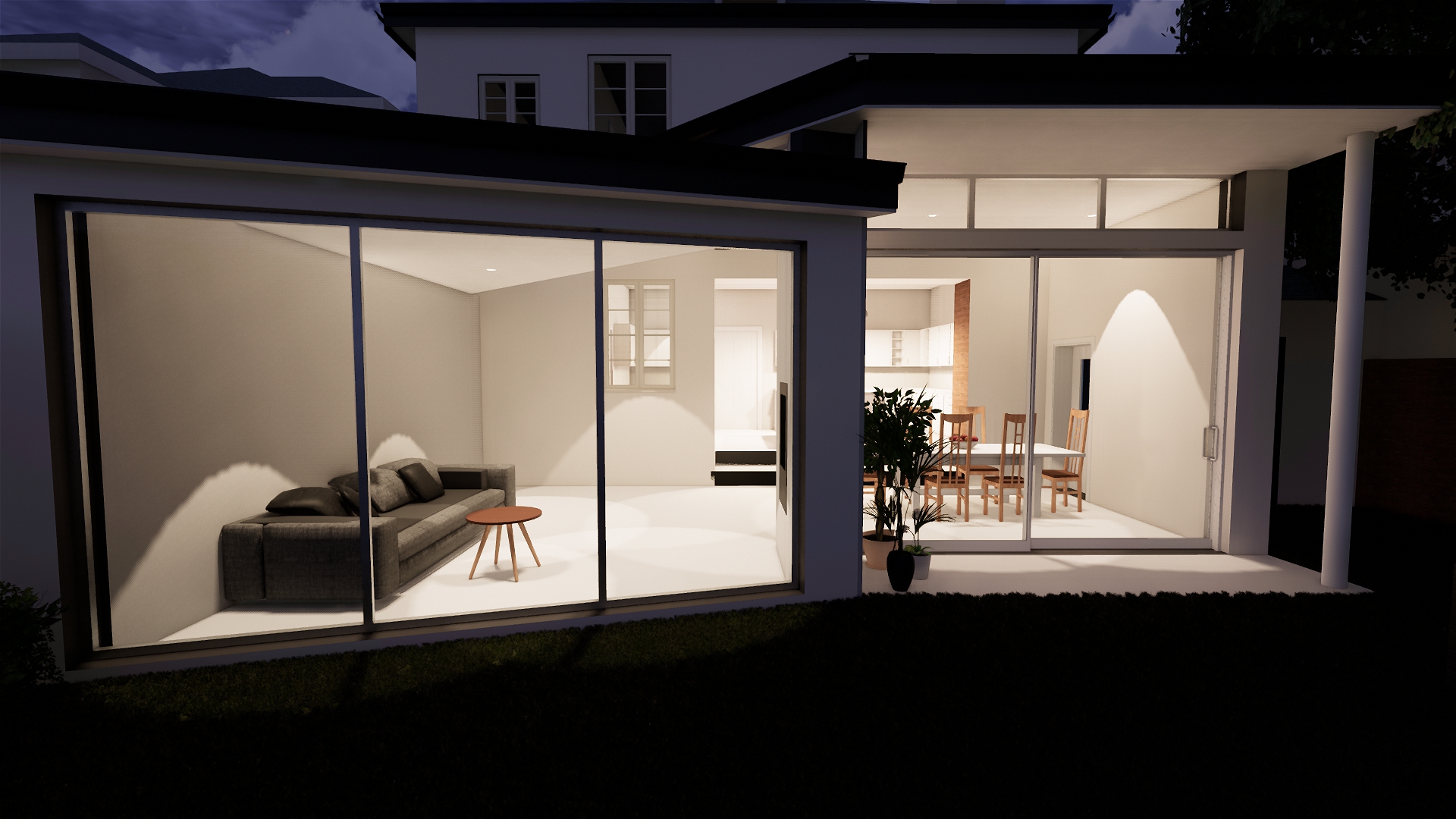
  • The pictures below show a “butterfly roof” whereby the 2 sections of the roof (one slightly raised with a gap between them) allow light into the extension itself as well as not obstructing light to the neighbouring property.
  • Having a very positive relationship with the planning officers meant that collaboration and feedback from them was able to be taken into careful consideration and implemented in our design.
  • The extension is very contemporary and contrasts to the Regency style architecture surrounding it. This is key to the design as it allows us to tell a story of the time period through architecture.

Pictures of the final drawings:

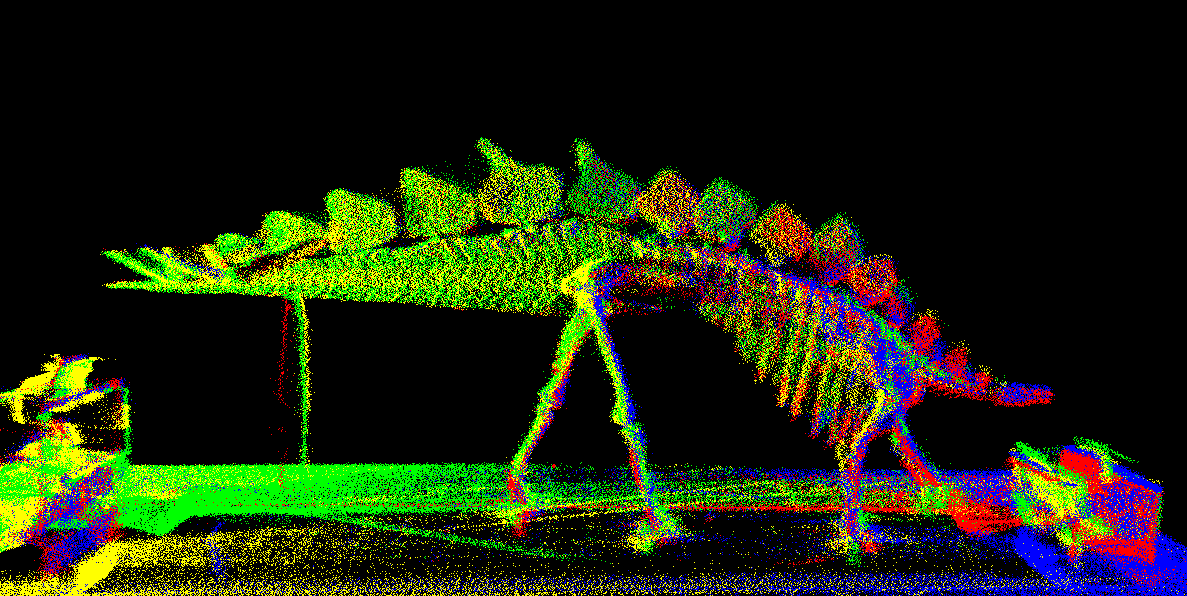
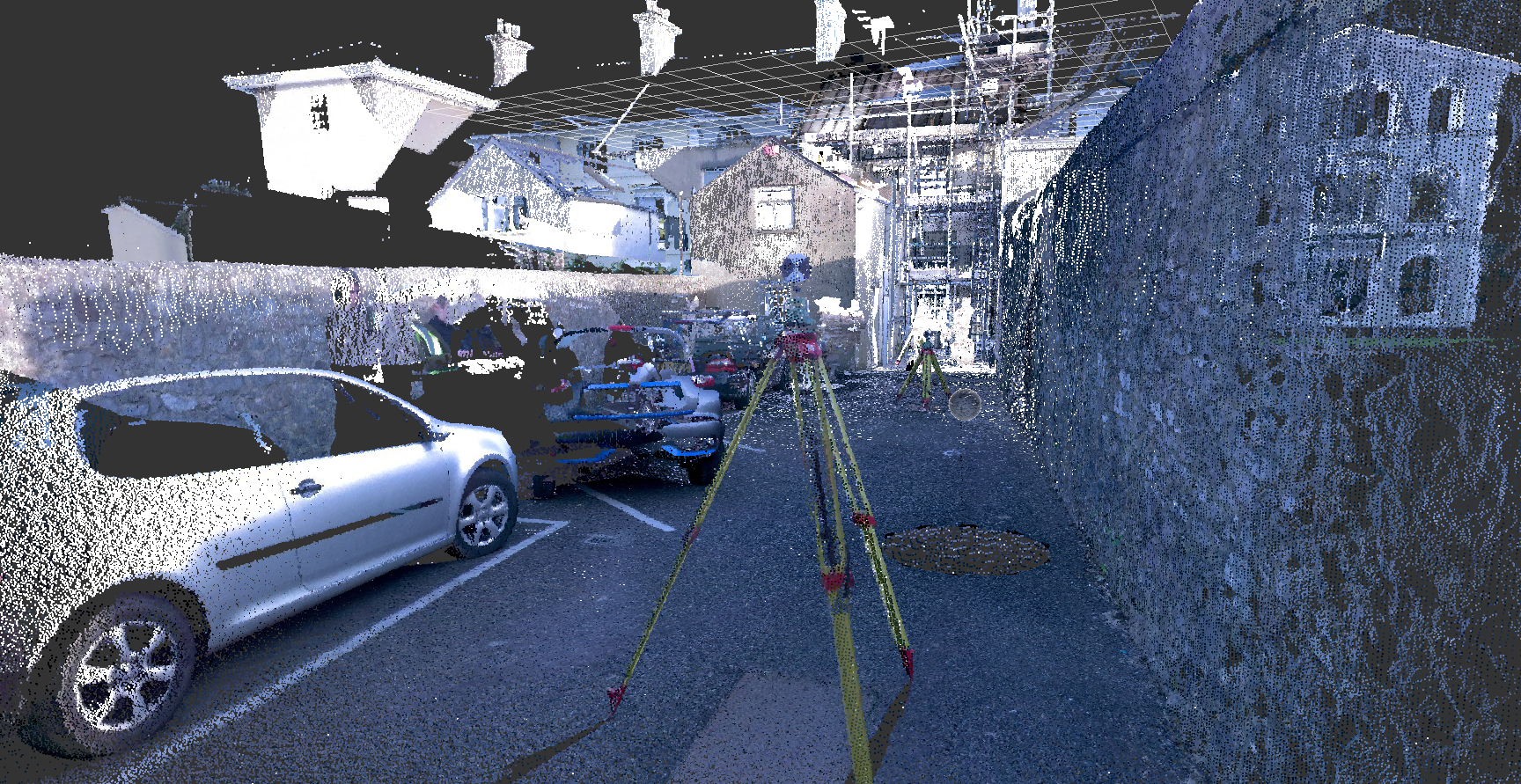
A point cloud is a set of data points in space. Point clouds are generally produced by 3D scanners, which measure a large number of points on the external surfaces of objects around them.

Living Space Architects have become one of the only architects in Exeter using this new technology.

Example of a point cloud of a model Stegosaurus

How does the 3D scanning work for buildings?

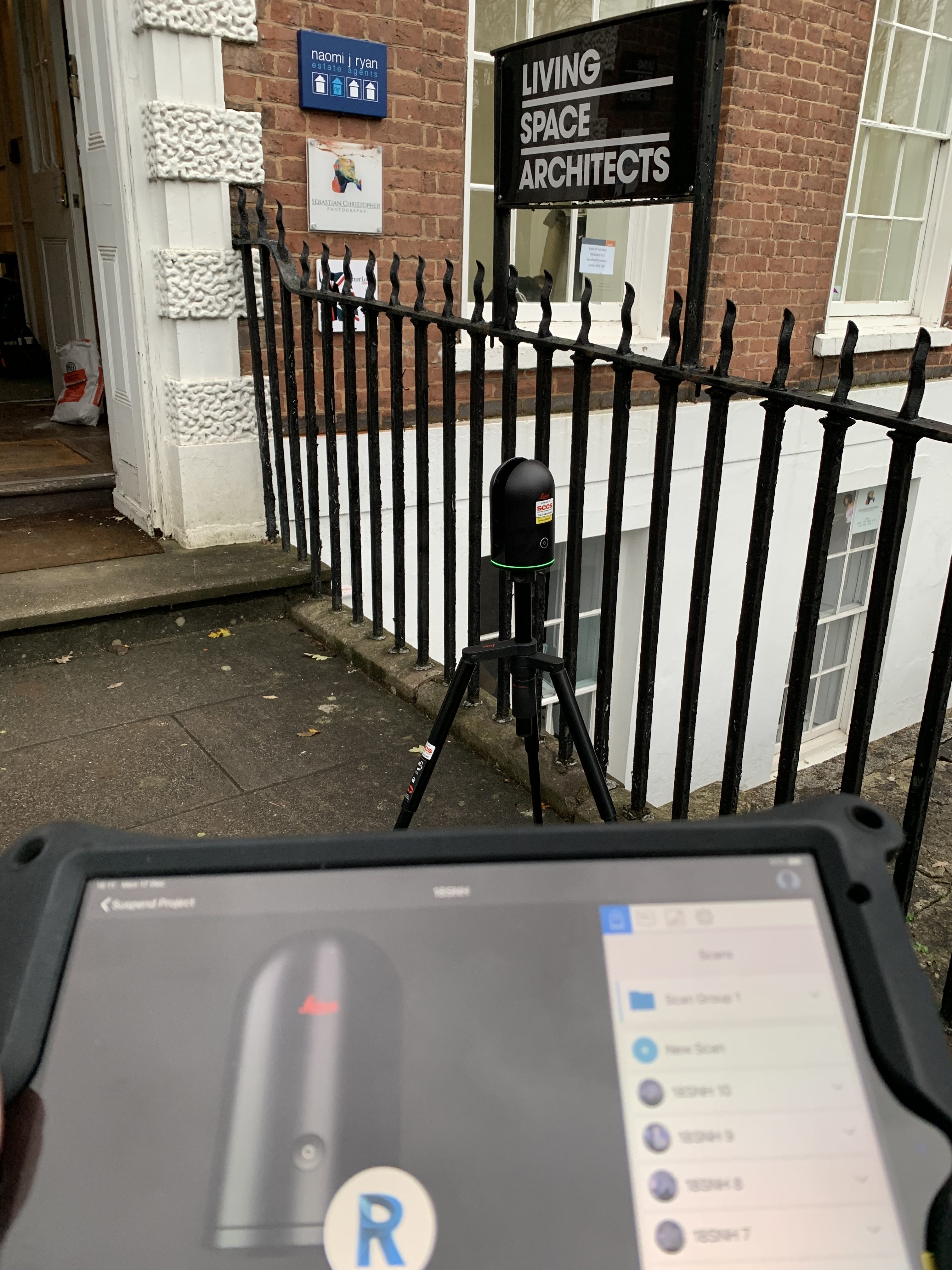
Using the ReCap Pro mobile app, the scanner streams the image and point cloud data to the iPad. The app filters and registers scan data in real time. After capture, ReCap Pro enables point cloud data transfer to a number of applications. The integration of BLK360 and Autodesk software dramatically streamlines the reality capture process.

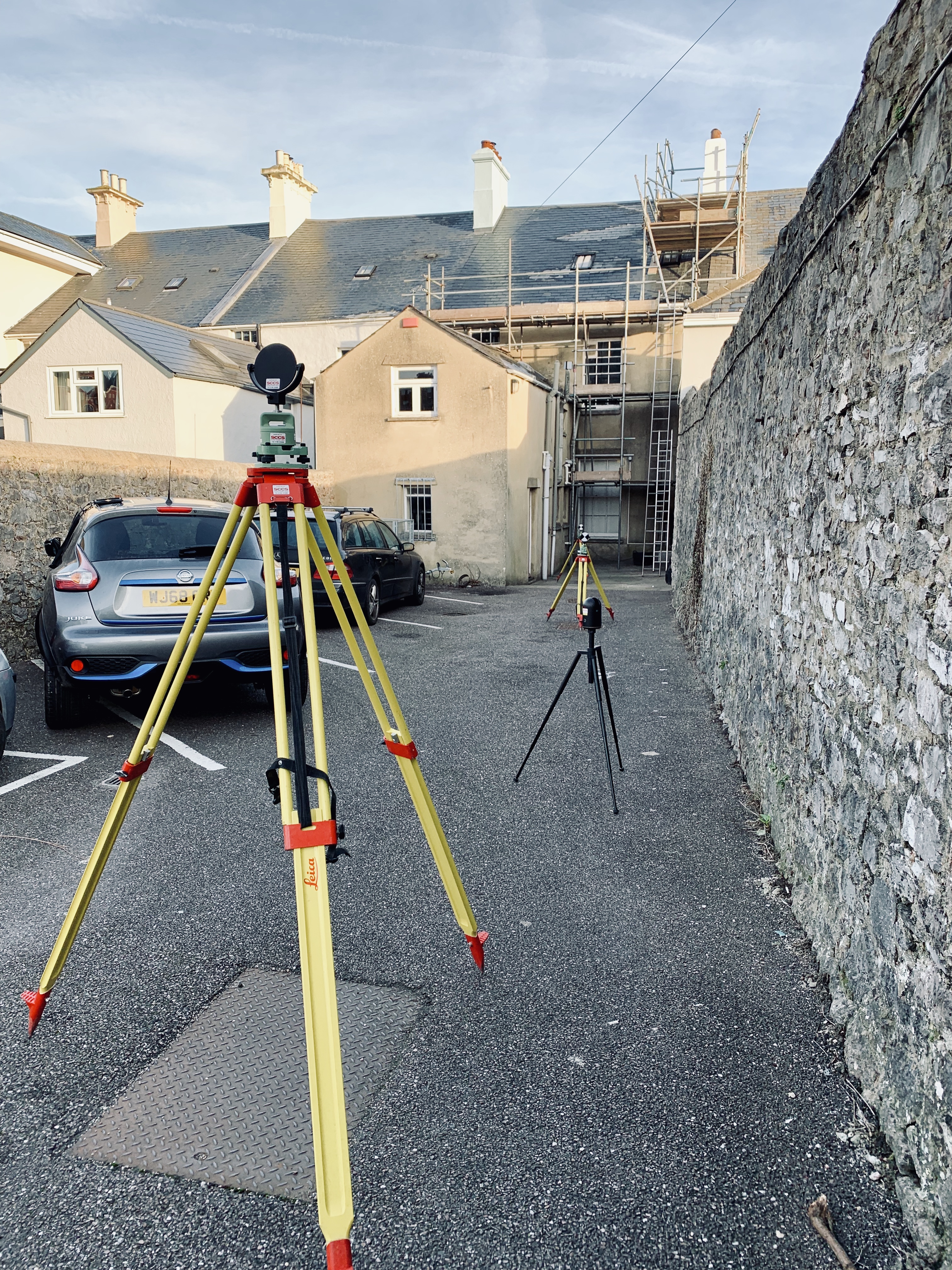
Leica BLK360 Scanner in action

CLICK HERE – Point Cloud Video


What are the benefits of using this cutting edge technology?

  • It provides immediate 3D data for all our design drawings
  • It creates virtual reality images that we can immediately begin work on
  • The detail and accuracy of the images produced are second to none
  • The process of gathering information from the site is much easier and quicker

The results

By uploading the scans into Recap Pro, we can then create the existing 3D model. Here are some examples: